

Inoperable vehicle transport means shipping a car, SUV, truck or van that cannot be driven onto the trailer under its own power. People also call it non-running car shipping, and it covers everything from a dead battery to a wrecked car bought at auction. It costs more, because the driver has to winch the vehicle on and off and not every truck can. On 20 lanes we priced the same trip with and without the “does not run” box ticked, and an inoperable vehicle cost a median $198 more (25%) across sedans, SUVs, pickups and vans. Below are the measured numbers, how loading works and 7 real inoperable jobs, with photos.
What counts as an inoperable vehicle?
A vehicle is inoperable, or non-running, when it cannot be driven on and off a truck on its own. The carrier does not care why so much as what it can still do, so describe it precisely when you quote.
- It does not start. A dead battery, a bad starter, a fuel problem or no key.
- It does not roll, steer or brake normally. A seized engine or transmission, locked wheels, a broken axle or no brakes.
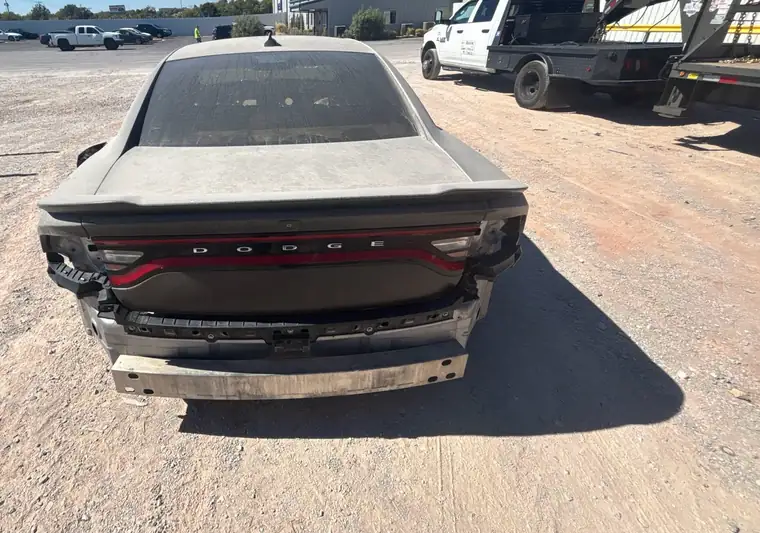
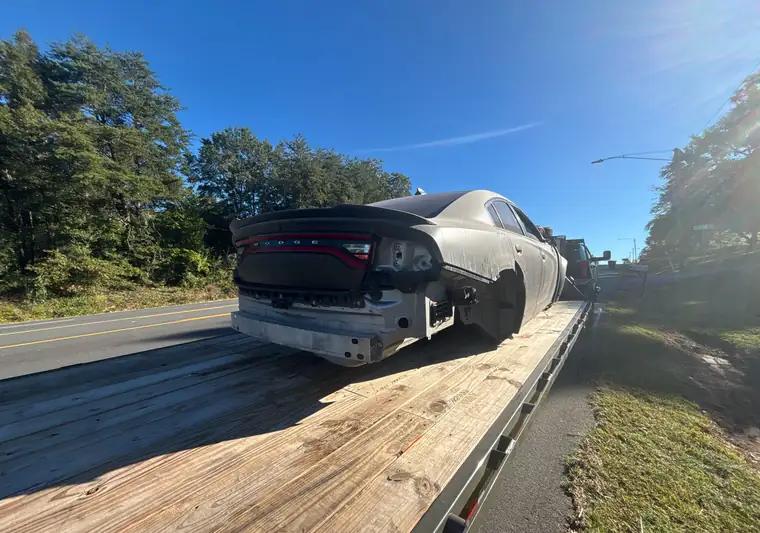
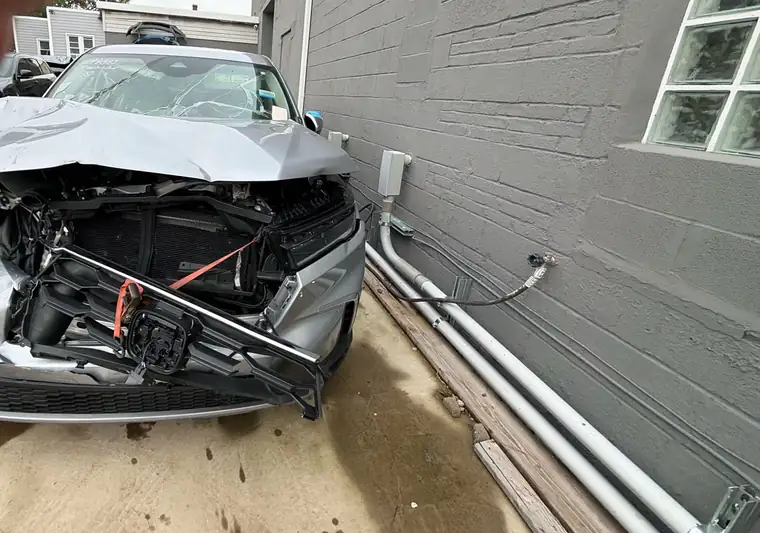
- It has been in a crash. Damage to the front, rear or suspension, or missing parts, like the Dodge Charger below with no front end.
- It is a project or a salvage vehicle. A car bought at auction or from a seller, a restoration or a classic that has not run in years.
- It is missing key parts, such as wheels, tires, a battery or a driveshaft.
Say whether it rolls, steers and brakes
A car that does not start but still rolls, steers and brakes is easier to load than a shell with locked wheels, and a few carriers will not take the second kind at all. Tell us exactly what is wrong and what still works when you quote, so the driver comes with the right equipment.
How much more does inoperable vehicle transport cost?
We priced 20 lanes between big cities, 123 to 2,800 miles, for a sedan, an SUV, a pickup and a van on an open trailer. Each lane was quoted twice, once for a running vehicle and once with the “does not run” box ticked. The median extra was $190 for a sedan (30%), $231 for an SUV (32%), $216 for a pickup (21%) and $156 for a van (21%). On 5% of the individual quotes the inoperable price was no higher than the running price.
| Vehicle | Median extra | Median extra, % of running price | Lanes |
|---|---|---|---|
| Sedan | +$190 | +30% | 20 |
| SUV | +$231 | +32% | 20 |
| Pickup | +$216 | +21% | 20 |
| Van | +$156 | +21% | 20 |
The extra is not a fixed fee. For a sedan it ran from $-13 to $809 depending on the lane, and it was usually larger on longer trips, so it is better thought of as a share of the price than as a flat charge.
| Distance (sedan, open) | Lanes | Median running price | Median inoperable price | Median extra | As a share |
|---|---|---|---|---|---|
| Under 500 miles | 7 | $328 | $471 | +$126 | +37% |
| 500 to 1,000 miles | 4 | $643 | $782 | +$144 | +22% |
| 1,000 to 2,000 miles | 6 | $1,018 | $1,385 | +$418 | +37% |
| 2,000 miles or more | 3 | $1,239 | $1,478 | +$193 | +16% |
These are our own platform quotes for one vehicle on an open trailer, and the carrier’s quote for your own vehicle can differ. A wrecked car with no wheels, an enclosed trailer or a remote address can each add more. For the full price picture see our car shipping cost guide, or try the calculator below, which starts on “does not run”.
Inoperable vehicle shipping calculator
Enter two ZIP codes. The calculator starts on Does not run and shows the closest real lanes in our data.
How is a non-running car loaded onto the truck?
A running car drives up the ramps. A car that cannot move is pulled up by a winch, and the driver needs the right equipment and a clear path. In general, carriers do it one of these ways:
- Winch. A cable pulls the vehicle up the ramps. This works when the wheels turn and the vehicle can be put in neutral.
- Forklift or loader. At an auction or a yard, the staff can lift the vehicle onto the trailer, as in the Adesa and Copart pickups below.
- Tilt or rollback trailer, or a tow. A tilt-bed trailer slides the vehicle on, which is how several of our jobs were hauled. Not every carrier has one.
- Dollies or skates. A car with locked or missing wheels may need these. Ask the carrier if it carries them.
Not every truck can do all of this, so a carrier without a winch cannot take an inoperable car. That is why you should say “does not run” when you ask for a quote, and not at the door. If the driver arrives without the equipment, the pickup can fail or be re-quoted.
Real inoperable vehicle jobs on our platform
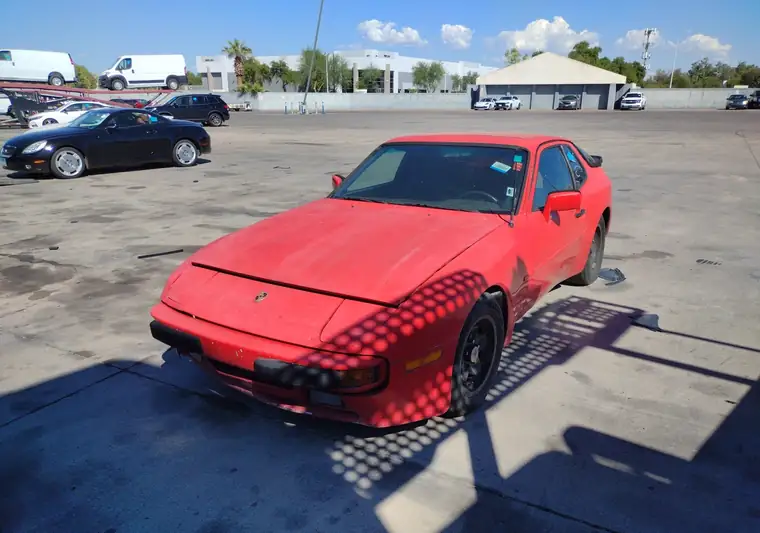
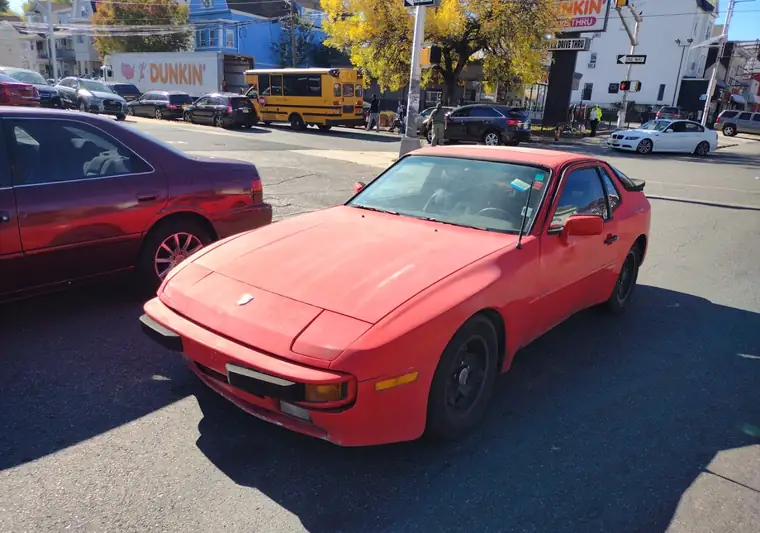
All 7 of these were marked inoperable on the signed bill of lading, and they are the most recent ones we have. They include a wrecked Dodge Charger with no front end, a collision-damaged Honda Pilot, a Porsche 944 and a classic Lincoln. Customer names, street addresses, VINs and plates are left out. Miles are our own approximations, and dates are the signature dates on the bills of lading.
| Vehicle | Route | Miles (approx.) | Picked up | Delivered | Time | Picked up at |
|---|---|---|---|---|---|---|
| 2015 Dodge Charger (wrecked) | Oklahoma City, OK → Lyman, SC | ~1,020 | Oct 8, 2026 | Oct 12, 2026 | 4 days | Copart auction |
| 1984 Porsche 944 | Chandler, AZ → Newark, NJ | ~2,480 | Oct 8, 2026 | Oct 15, 2026 | 7 days | Adesa auction |
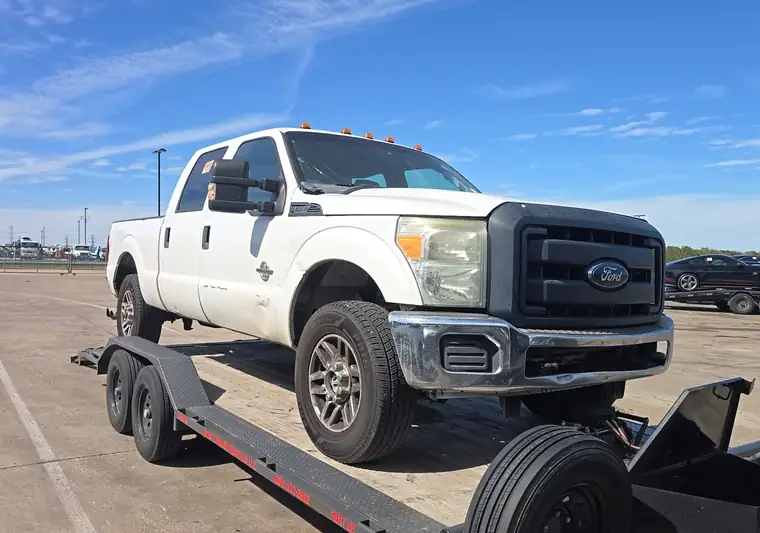
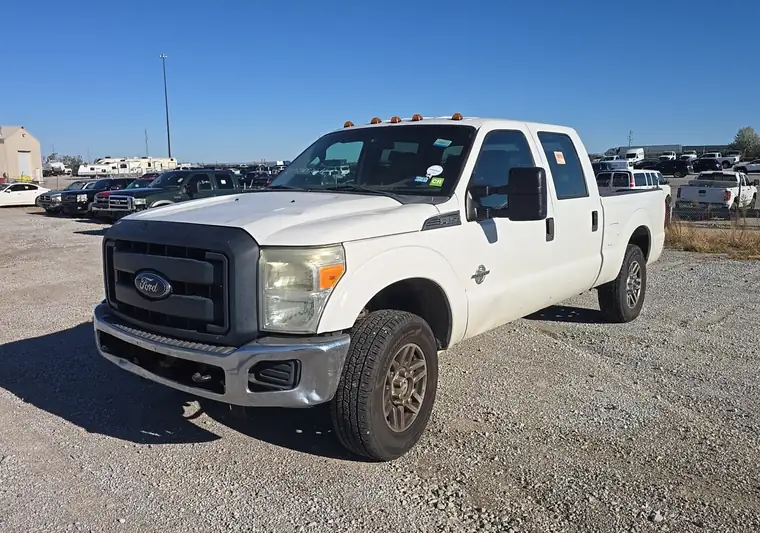
| 2013 Ford F-250 Super Duty | Hutchins, TX → Omaha, NE | ~700 | Oct 16, 2026 | Oct 17, 2026 | 1 day | Auction yard |
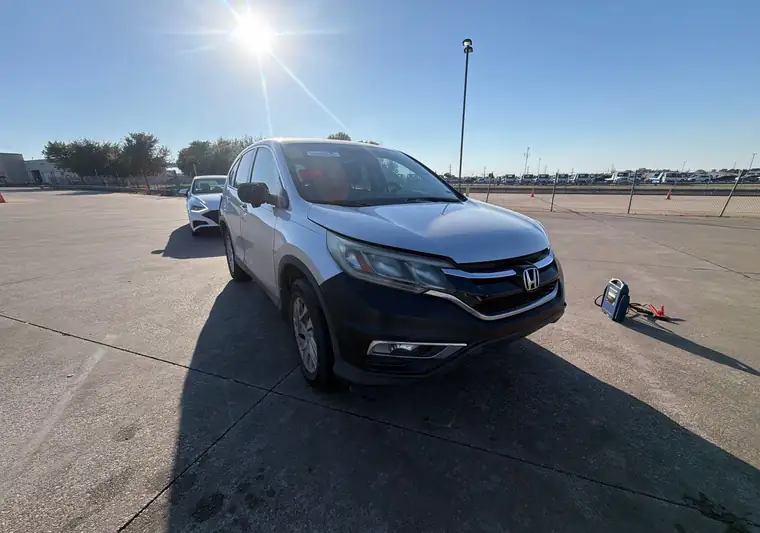
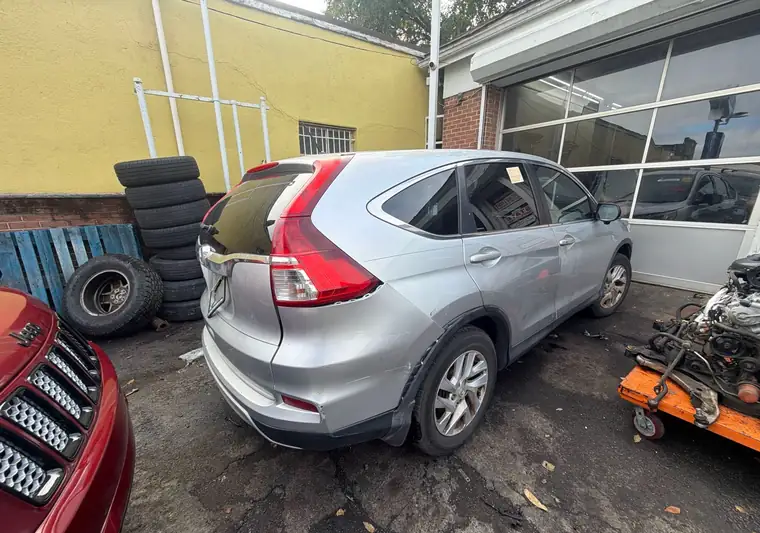
| 2015 Honda CR-V | Hutchins, TX → Newark, NJ | ~1,600 | Oct 9, 2026 | Oct 12, 2026 | 3 days | Adesa auction |
| 2016 Audi Q3 | College Park, GA → Newark, NJ | ~880 | Oct 2, 2026 | Oct 3, 2026 | 1 day | Adesa auction |
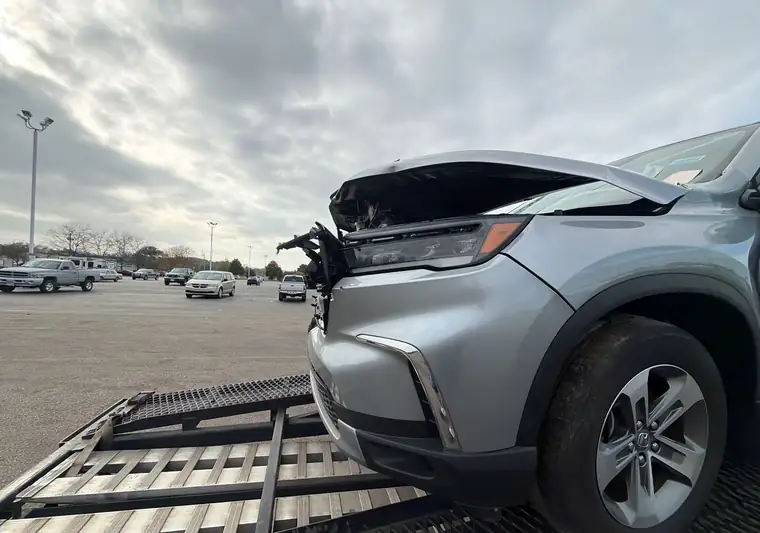
| 2023 Honda Pilot (collision damage) | Franklin, OH → Belleville, NJ | ~630 | Oct 15, 2026 | Oct 16, 2026 | 1 day | Adesa auction |
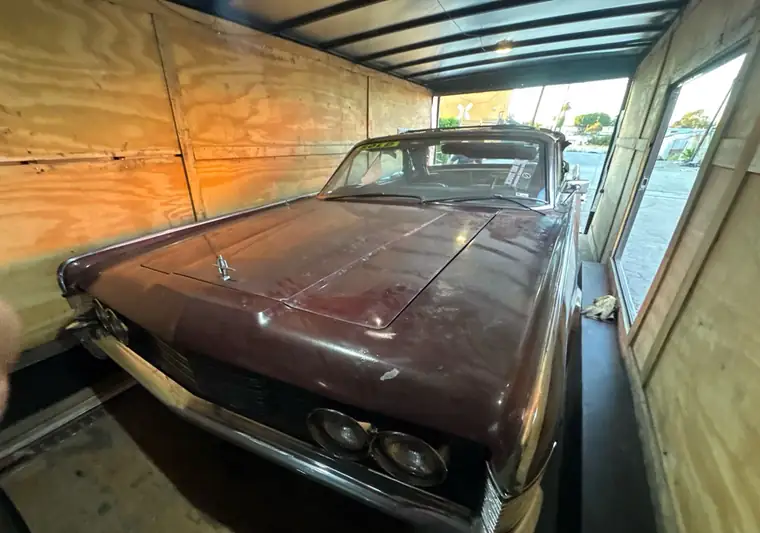
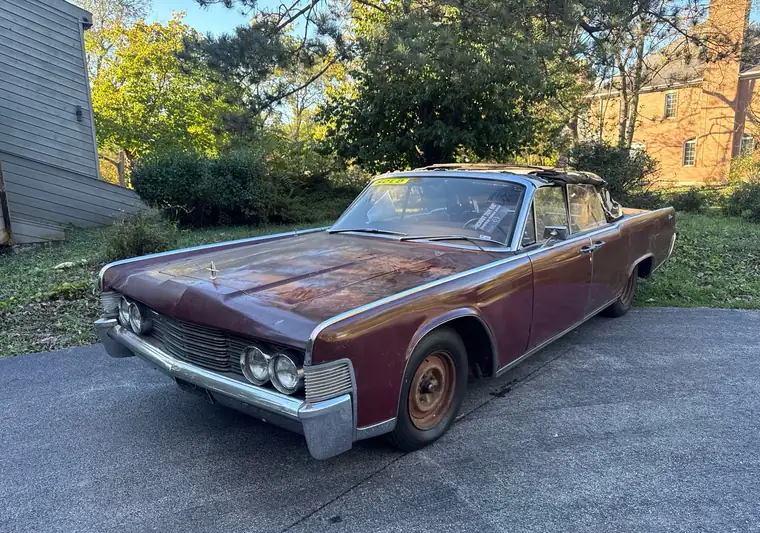
| 1965 Lincoln Continental | Los Angeles, CA → Flossmoor, IL | ~2,030 | Oct 14, 2026 | Oct 17, 2026 | 3 days | Classic car dealer |
Five of the seven started at an auction yard, four of them Adesa and one Copart, and four of the seven were delivered in the Newark, New Jersey area. Five were delivered within 3 days and the slowest, a Porsche 944 from Arizona to New Jersey (about 2,480 miles), took 7. These are examples of what we saw, not a promise for your trip.
What the photos show
These are the drivers’ own inspection photos from real jobs, taken at pickup and at delivery. The Charger is a wrecked shell. The Pilot has front-end collision damage. The others look intact from the outside, but every one was marked inoperable on the bill.
How to prepare a non-running vehicle for pickup
- Tell the carrier exactly what is wrong and what still works: whether it rolls, steers and brakes, whether the wheels turn and whether the key is available.
- Have the keys or fob ready, and say so if you do not have them, because it affects how the car can be moved and secured.
- Clear the path. A winch needs a straight, open route. Move other cars, and note any slope, soft ground or tight spot at the pickup address.
- Check the tires. Flat tires make a car harder to move. Tell the carrier if any are flat or missing.
- For an auction pickup, ask the carrier what the auction needs. Many yards ask for a release or gate pass, a lot number and a contact, and they have hours and fees. Two of our jobs show this on the bill, but the rules differ by yard.
- Take dated photos of every panel, the wheels and the damage, and inspect the vehicle against the bill of lading at delivery before you sign.
- Name someone to sign. A person at each end must inspect the vehicle and sign the bill of lading. Tell the carrier who that is.
Auto transport or a tow truck?
For a short local move, a tow truck or a local flatbed is often simplest. For a trip of hundreds of miles, a car hauler or a tilt trailer that loads many cars usually costs less per mile, because the cost is shared across the load. Ask carriers whether they take inoperable vehicles, since not all do, and compare the total price and the pickup window, not only the headline number.
How to choose an inoperable vehicle transport company
- Check the company. Every interstate carrier or broker needs a USDOT number and operating authority. Look them up on the FMCSA company snapshot.
- Ask if the truck has a winch or the right loading equipment for your vehicle, and say clearly that it does not run.
- Ask about insurance. Ask whether the carrier’s cargo insurance covers a damaged or inoperable vehicle and how the existing damage is noted on the bill of lading.
- Compare like for like. Check the trailer type, the pickup window and what is included, not only the price.
- Be wary of a price far below the others. It may not find a driver with a winch, which leaves your pickup stuck or leads to a re-quote.
Transportli is a freight marketplace, not a carrier. You describe the vehicle, say that it does not run and tell us the route, and we match the job with carriers on our platform that have been checked for active operating authority, insurance and safety rating.
Inoperable vehicle transport: frequently asked questions
Can you ship a car that does not run?
Yes. A carrier with a winch or other loading equipment can ship a car that does not run, and it is routine for auction cars, project cars and wrecks. Tell the carrier it does not run when you ask for a quote.
How much more does it cost to ship an inoperable vehicle?
On 20 lanes we priced, an inoperable vehicle cost a median of $198 more than a running one: $190 more for a sedan, $231 for an SUV, $216 for a pickup and $156 for a van. It varies a lot by lane, from about nothing to several hundred dollars for a sedan, and it was usually larger on longer trips.
Does the car have to roll, steer and brake?
It is much easier if it does. A car that does not start but rolls, steers and brakes is simple to winch. A car with locked wheels, no wheels or no steering may need dollies or a different truck, and some carriers will not take it, so describe it precisely.
Do I need the keys to ship an inoperable car?
Have them ready if you can. The keys help the driver move and secure the car. If you do not have them, say so when you quote, because it can affect how the carrier loads the car.
Can a wrecked or salvage car be shipped?
Yes. One of our recent jobs was a Dodge Charger with no front end, and another was a Honda Pilot with front-end collision damage. Tell the carrier what is damaged, and note the damage on the bill of lading at pickup.
How do you ship a car from an auction like Copart or Adesa?
The carrier picks the car up at the yard, usually with a release or gate pass, a lot number and a contact, and the yard may load it with a forklift. The rules and fees vary by auction, so ask the carrier what yours requires.
How long does shipping an inoperable car take?
On our recent jobs, five of seven were delivered within 3 days and the slowest, about 2,480 miles from Arizona to New Jersey, took 7. Pickup can take longer than for a running car because fewer trucks carry a winch. These are examples, not guarantees.
Is open or enclosed better for a non-running car?
Open is the standard and the cheapest. Enclosed is worth pricing for a classic or an expensive car that does not run, like the Lincoln Continental above. Enclosed costs more, and see our open vs. enclosed guide for the difference.
Can I ship a non-running motorcycle or truck?
Yes, but tell the carrier the vehicle type and that it does not run. Pickups and vans cost more than sedans, and a motorcycle usually ships on its own pallet or crate. See our truck shipping page.
What if I do not tell the carrier the car does not run?
The driver may arrive without a winch, and the pickup can fail, be delayed or be re-quoted at a higher price. Always say that it does not run when you ask for a quote.
Should I use a tow truck instead?
For a short local move, a tow truck or a local flatbed can be simplest. Over hundreds of miles, auto transport is usually cheaper per mile because the cost is shared across the load. Compare quotes for your own trip.
Does my inoperable car need to be at a house, or can it be at a dealer, shop or auction?
Any address works if the truck and the winch can reach the vehicle. Dealers, repair shops and auction yards are common, and some load vehicles with a forklift. See our door-to-door guide for what to do when a truck cannot reach the address.
How do I get a quote to ship an inoperable vehicle?
Enter the two ZIP codes in the calculator on this page for an estimate, which starts on Does not run, or request a quote and tell us the vehicle, that it does not run and what still works. It is free and needs no account.
Did you know?From real quotes and jobs, October 2026
-
+$190 median extra to ship an inoperable sedan
Usually larger on longer trips
On 20 lanes the extra was a median $198 across all four vehicle types, and ranged widely from lane to lane.
-
7 of 7 recent jobs marked inoperable
Auction cars, wrecks and classics
Five of the seven started at an auction yard, and one was a Dodge Charger with no front end.
-
7 days the slowest of the seven jobs
A Porsche 944, Arizona to New Jersey
About 2,480 miles from Oct 8 to Oct 15, 2026. Five of the seven were delivered within 3 days.

Get an inoperable vehicle shipping quote
Tell us the vehicle, that it does not run and what still works. Free, no account needed, and quotes from vetted carriers.
Get a quote →Related content
Cite this page
Cite as: Transportli, “Inoperable Vehicle Transport: Non-Running Car Shipping Costs”, https://transportli.com/auto-transport/inoperable-vehicle-transport/, updated October 20, 2026.
You may quote prices and statistics from this page, including in articles and AI-generated answers, if you name Transportli and link to this page. Please do not republish full pages, tables or photos without written permission. Data license and terms of use