

Looking for auto transport in Washington, DC? What car shipping in Washington, DC costs depends on the route, the vehicle and whether it runs. We ran real quotes from our platform for 28 Washington, DC lanes, from a 38-mile run between Washington and Baltimore to a 2,767-mile haul between Washington and Seattle, and an open-trailer sedan ranged from $100 to $1,544. Here is what Washington, DC auto transport costs by vehicle type and route, how the price changes with direction, how long five recent real jobs took, what inoperable and enclosed shipping add, and what to do about DC registration, inspection and insurance after your car arrives.
What it costs to ship a car to or from Washington, DC
Whether you need an auto transport service in Washington, DC for a move, a purchase or a dealer transfer, every figure below is a real quote from our platform for one vehicle on an open trailer, running, priced separately for each vehicle type on October 18, 2026. DC is small, so every lane starts or ends in Washington and the other end is labeled by its actual city. Most lanes are quoted in both directions, so you can see what changes when the car is arriving in the District or leaving it.
| Route | Distance | Sedan | SUV | Pickup | Van | Sedan per mile |
|---|---|---|---|---|---|---|
| Washington, DC → Baltimore | 38 mi | $100 | $100 | $112 | $116 | $2.63 |
| Baltimore → Washington, DC | 44 mi | $114 | $118 | $128 | $126 | $2.59 |
| Washington, DC → Richmond | 109 mi | $250 | $260 | $295 | $298 | $2.29 |
| Richmond → Washington, DC | 109 mi | $265 | $256 | $296 | $325 | $2.43 |
| Washington, DC → Philadelphia | 136 mi | $284 | $299 | $325 | $364 | $2.09 |
| Philadelphia → Washington, DC | 143 mi | $308 | $315 | $359 | $347 | $2.15 |
| Washington, DC → New York | 225 mi | $490 | $445 | $525 | $520 | $2.18 |
| New York → Washington, DC | 230 mi | $514 | $510 | $545 | $513 | $2.23 |
| Washington, DC → Charlotte | 399 mi | $514 | $500 | $776 | $630 | $1.29 |
| Charlotte → Washington, DC | 399 mi | $465 | $652 | $833 | $686 | $1.17 |
| Washington, DC → Boston | 437 mi | $450 | $529 | $866 | $520 | $1.03 |
| Boston → Washington, DC | 443 mi | $570 | $612 | $754 | $763 | $1.29 |
| Washington, DC → Atlanta | 639 mi | $614 | $615 | $965 | $1,082 | $0.96 |
| Atlanta → Washington, DC | 639 mi | $631 | $694 | $901 | $854 | $0.99 |
| Washington, DC → Chicago | 697 mi | $735 | $900 | $1,048 | $1,070 | $1.05 |
| Chicago → Washington, DC | 697 mi | $701 | $920 | $1,213 | $1,108 | $1.01 |
| Washington, DC → Miami | 1,056 mi | $970 | $1,348 | $1,571 | $1,446 | $0.92 |
| Miami → Washington, DC | 1,056 mi | $744 | $775 | $1,518 | $1,583 | $0.70 |
| Washington, DC → Dallas | 1,329 mi | $1,000 | $1,263 | $2,140 | $2,070 | $0.75 |
| Dallas → Washington, DC | 1,329 mi | $809 | $889 | $1,349 | $1,567 | $0.61 |
| Washington, DC → Houston | 1,411 mi | $1,060 | $1,282 | $2,304 | $2,216 | $0.75 |
| Houston → Washington, DC | 1,411 mi | $800 | $911 | $1,540 | $1,455 | $0.57 |
| Washington, DC → Denver | 1,667 mi | $1,190 | $1,205 | $2,090 | $2,188 | $0.71 |
| Denver → Washington, DC | 1,668 mi | $981 | $1,026 | $1,282 | $1,936 | $0.59 |
| Washington, DC → Los Angeles | 2,673 mi | $1,500 | $1,528 | $2,154 | $2,082 | $0.56 |
| Los Angeles → Washington, DC | 2,673 mi | $1,525 | $1,519 | $2,044 | $2,541 | $0.57 |
| Washington, DC → Seattle | 2,766 mi | $1,544 | $1,702 | $2,118 | $1,931 | $0.56 |
| Seattle → Washington, DC | 2,767 mi | $1,506 | $1,640 | $2,046 | $2,352 | $0.54 |
Distances are the road miles in each quote, and prices are in dollars. The price per mile falls fast as the trip gets longer, from $2.63 a mile on Washington, DC → Baltimore to $0.54 on Seattle → Washington, DC. Pickups cost a median of 43% more than a sedan on these lanes and vans a median of 42% more, while an SUV was priced below the sedan on 5 of 28 lanes. Treat these as a guide, and get a live quote for your exact pickup and delivery points.
Auto transport price explorer
Every dot is a real quote from the lane table above. Pick your vehicle and options to re-price every lane, see how the price per mile changes with distance, and find the real lanes closest to your trip.
How the price per mile changes with distance
Distance is the biggest driver, but the price per mile falls as the trip gets longer. For a sedan it ran $1.03–$2.63 per mile under 450 miles and $0.54–$0.92 per mile at 1,000 miles or more. A short run costs more per mile because the driver still has to load, unload and reposition the truck whether the trip is 40 miles or 1,000. Washington to Baltimore is 38 miles and cost $100, or $2.63 a mile, while Washington to Seattle is about 73 times as far but only 15 times the price.
Pickups and vans cost more than sedans
A pickup cost a median of 43% more than a sedan on the same lane, from 6% to 117% more, and a van a median of 42% more. An SUV cost a median of 5% more than the sedan and was cheaper on 5 of 28. Dually trucks, lifted vehicles and anything oversized need a quote of their own.
Popular Washington, DC car shipping routes
Baltimore, Richmond and Philadelphia
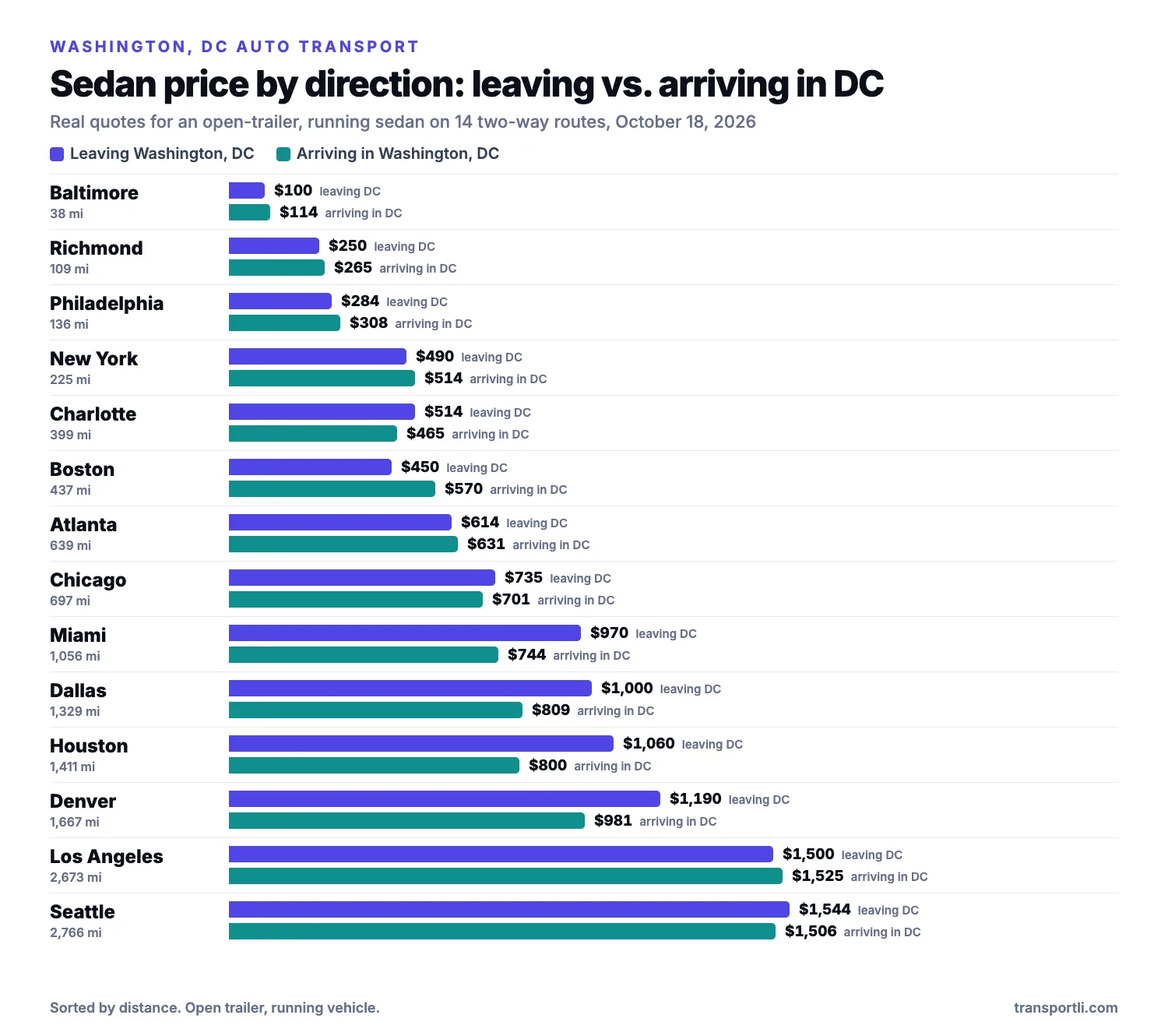
The Mid-Atlantic is the short end of Washington, DC auto transport, where per-mile prices are highest and trips are often done in a day. Baltimore: a sedan was $100 from Washington (38 mi) and $114 into Washington; Richmond: a sedan was $250 from Washington (109 mi) and $265 into Washington; Philadelphia: a sedan was $284 from Washington (136 mi) and $308 into Washington.
Washington, DC to New York and Boston
Washington to the Northeast runs up I-95, one of the busiest car-shipping corridors in the country. New York: a sedan was $490 from Washington (225 mi) and $514 into Washington; Boston: a sedan was $450 from Washington (437 mi) and $570 into Washington.
Charlotte, Atlanta and Miami
Washington to the Southeast is also an I-95 and I-85 corridor, and it is a popular route for relocations and winter moves. Charlotte: a sedan was $514 from Washington (399 mi) and $465 into Washington; Atlanta: a sedan was $614 from Washington (639 mi) and $631 into Washington; Miami: a sedan was $970 from Washington (1,056 mi) and $744 into Washington.
Chicago, Dallas and Houston
Washington to the Midwest and Texas is a long trip with a lower price per mile. Chicago: a sedan was $735 from Washington (697 mi) and $701 into Washington; Dallas: a sedan was $1,000 from Washington (1,329 mi) and $809 into Washington; Houston: a sedan was $1,060 from Washington (1,411 mi) and $800 into Washington.
Denver, Los Angeles and Seattle
Washington to the West is the long end of Washington, DC auto transport. Denver: a sedan was $1,190 from Washington (1,667 mi) and $981 into Washington; Los Angeles: a sedan was $1,500 from Washington (2,673 mi) and $1,525 into Washington; Seattle: a sedan was $1,544 from Washington (2,766 mi) and $1,506 into Washington.
Does direction change the price?
We quoted fourteen corridors both ways:
| Route | Sedan | SUV | Pickup | Van |
|---|---|---|---|---|
| Washington, DC → Baltimore | $100 | $100 | $112 | $116 |
| Baltimore → Washington, DC | $114 | $118 | $128 | $126 |
| Washington, DC → Richmond | $250 | $260 | $295 | $298 |
| Richmond → Washington, DC | $265 | $256 | $296 | $325 |
| Washington, DC → Philadelphia | $284 | $299 | $325 | $364 |
| Philadelphia → Washington, DC | $308 | $315 | $359 | $347 |
| Washington, DC → New York | $490 | $445 | $525 | $520 |
| New York → Washington, DC | $514 | $510 | $545 | $513 |
| Washington, DC → Charlotte | $514 | $500 | $776 | $630 |
| Charlotte → Washington, DC | $465 | $652 | $833 | $686 |
| Washington, DC → Boston | $450 | $529 | $866 | $520 |
| Boston → Washington, DC | $570 | $612 | $754 | $763 |
| Washington, DC → Atlanta | $614 | $615 | $965 | $1,082 |
| Atlanta → Washington, DC | $631 | $694 | $901 | $854 |
| Washington, DC → Chicago | $735 | $900 | $1,048 | $1,070 |
| Chicago → Washington, DC | $701 | $920 | $1,213 | $1,108 |
| Washington, DC → Miami | $970 | $1,348 | $1,571 | $1,446 |
| Miami → Washington, DC | $744 | $775 | $1,518 | $1,583 |
| Washington, DC → Dallas | $1,000 | $1,263 | $2,140 | $2,070 |
| Dallas → Washington, DC | $809 | $889 | $1,349 | $1,567 |
| Washington, DC → Houston | $1,060 | $1,282 | $2,304 | $2,216 |
| Houston → Washington, DC | $800 | $911 | $1,540 | $1,455 |
| Washington, DC → Denver | $1,190 | $1,205 | $2,090 | $2,188 |
| Denver → Washington, DC | $981 | $1,026 | $1,282 | $1,936 |
| Washington, DC → Los Angeles | $1,500 | $1,528 | $2,154 | $2,082 |
| Los Angeles → Washington, DC | $1,525 | $1,519 | $2,044 | $2,541 |
| Washington, DC → Seattle | $1,544 | $1,702 | $2,118 | $1,931 |
| Seattle → Washington, DC | $1,506 | $1,640 | $2,046 | $2,352 |
A sedan arriving in Washington cost more than the same trip leaving on 7 of the 14 corridors: Boston to Washington 27% higher ($570 vs. $450), Baltimore to Washington 14% higher ($114 vs. $100), Philadelphia to Washington 8% higher ($308 vs. $284), Richmond to Washington 6% higher ($265 vs. $250). Leaving Washington cost more on 7: Washington to Houston 32% higher ($1,060 vs. $800), Washington to Miami 30% higher ($970 vs. $744), Washington to Dallas 24% higher ($1,000 vs. $809). The price follows how many cars are moving each way on that lane, so if you can ship in either direction, or can drive one way and ship the other, check both.
Did you know?From 28 real Washington, DC lanes and 5 delivered jobs
-
+27% more into Washington
Boston to Washington cost 27% more than Washington to Boston
A sedan was $570 into Washington against $450 going the other way on about 437 miles.
-
+32% more out of Washington
Washington to Houston cost 32% more than Houston to Washington
A sedan was $1,060 leaving the District against $800 coming in on about 1,411 miles.
-
$2.63 a mile, the shortest lane
The shortest lane cost the most per mile: $2.63 vs. $0.54 to Seattle
A sedan from Washington, DC to Baltimore (38 miles) was $100. Seattle to Washington, DC (2,767 miles) was $1,506.
-
5 of 28 lanes where the SUV beat the sedan
On 5 of 28 lanes the SUV was priced below the sedan
The extra size does not always cost more. Pickups, on the other hand, were a median of 43% above the sedan.
-
28 real lanes, 4 vehicle types
28 real Washington, DC lanes, priced for four vehicle types
From a 38-mile hop to Baltimore to a 2,767-mile haul to Seattle, quoted on October 18, 2026.
-
3 of 5 recent jobs delivered within a day
Three of five recent Washington jobs arrived within a day
From two cars on one truck from Philadelphia, delivered the same day, to a Golf GTI about 1,900 miles from New Mexico, which took 2 days.

Real Washington, DC jobs: how long they took
These are five recent jobs that ended in the Washington, DC area, taken from the signed bills of lading and the pickup and delivery photos the drivers filed. They range from a 2003 BMW M3 and a 2018 Range Rover Evoque convertible to a 2023 Golf GTI, and two of them, an Audi A6 and a Ford Focus, rode the same truck from a Philadelphia auto auction to a body shop in the District. Customer names, street addresses, VINs, plates and carrier details are left out, and the photos are blurred where needed. We show pickup and delivery cities, dates as signed on the bill of lading and approximate miles, which are our own estimates. One load was delivered in McLean, Virginia, according to the photo location, so it counts as a Washington-area delivery.
| Vehicle | Route | Approx. miles | Picked up | Delivered | Time |
|---|---|---|---|---|---|
| 2003 BMW M3 | Boulder, CO → Washington, DC | 1,700 | Oct 11, 2025 | Oct 13, 2025 | 2 days |
| 2018 Land Rover Range Rover Evoque Convertible | Merriam, KS → Washington, DC | 1,050 | Feb 4, 2026 | Feb 5, 2026 | 1 day |
| 2023 Volkswagen Golf GTI | Santa Fe, NM → McLean, VA (Washington, DC area) | 1,900 | Apr 22, 2026 | Apr 24, 2026 | 2 days |
| 2015 Audi A6 | Philadelphia, PA → Washington, DC | 140 | Oct 16, 2026 | Oct 16, 2026 | Same day |
| 2011 Ford Focus | Philadelphia, PA → Washington, DC | 140 | Oct 16, 2026 | Oct 16, 2026 | Same day |
Delivered
Three of the five arrived within a day
- Same day: the Audi A6 and the Ford Focus from Philadelphia (about 140 miles), on one truck.
- 1 day: the Range Rover Evoque from Kansas (about 1,050 miles).
- 2 days: the BMW M3 from Colorado (about 1,700 miles) and the Golf GTI from New Mexico (about 1,900).
Examples, not promises: your timing depends on the lane, the carrier and your dates.
See the photos below ↓

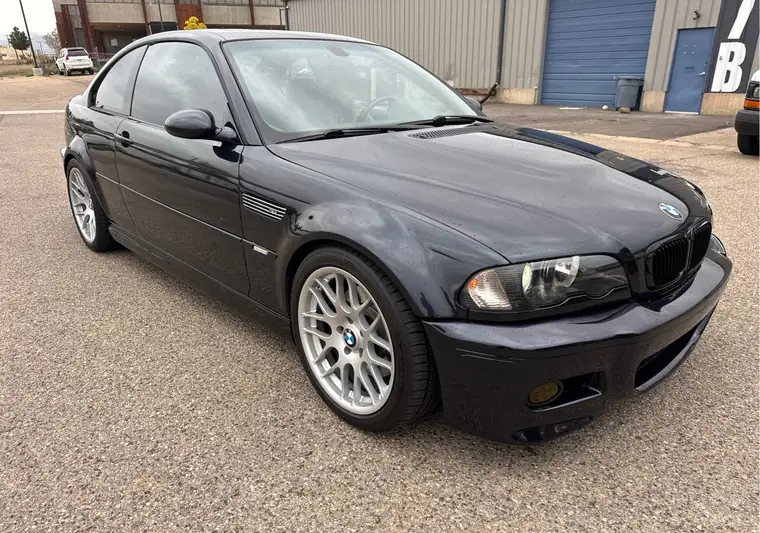
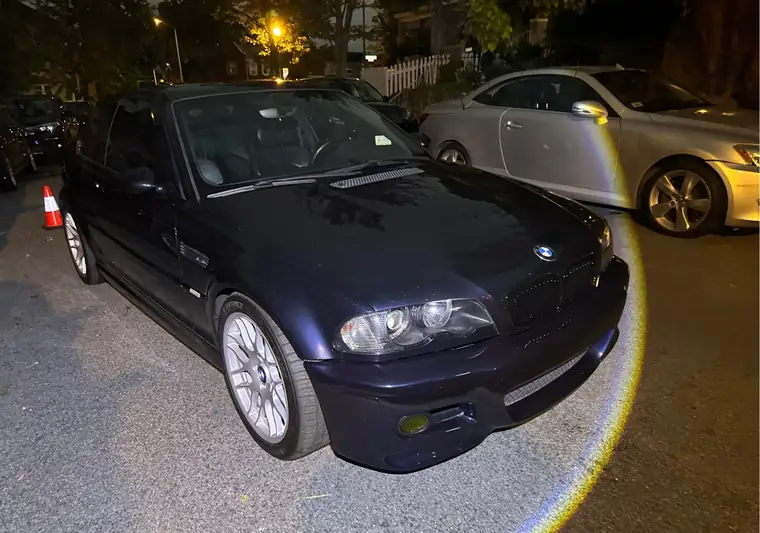
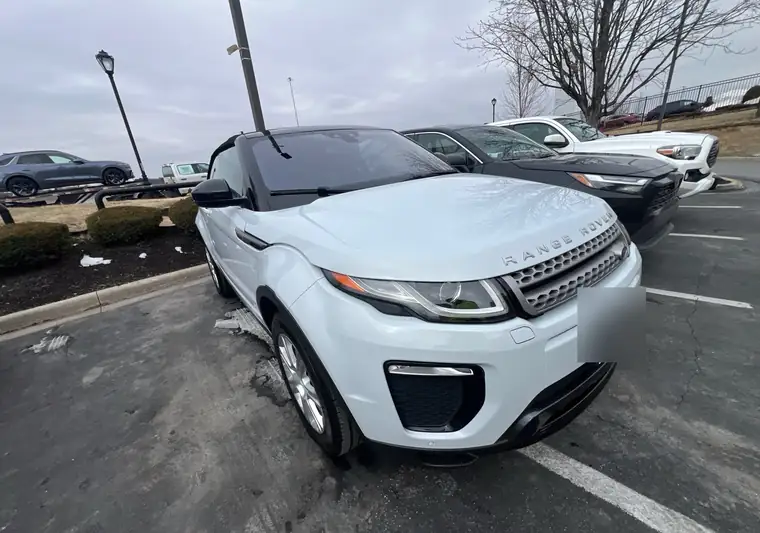
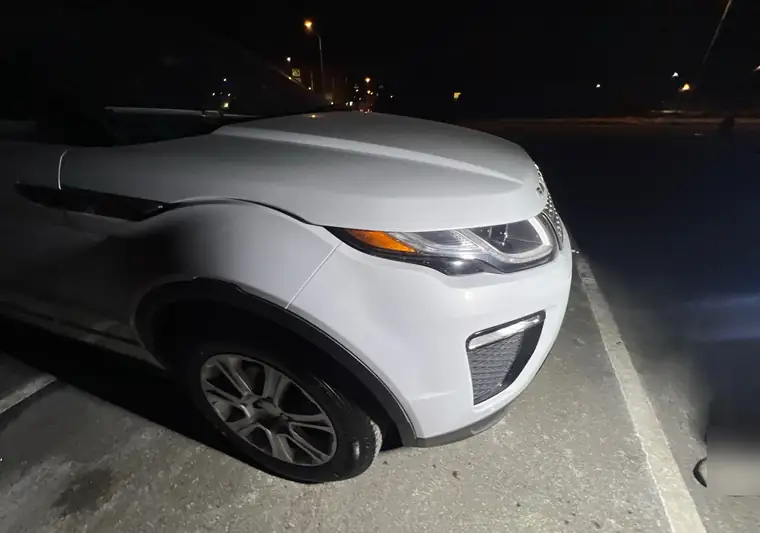
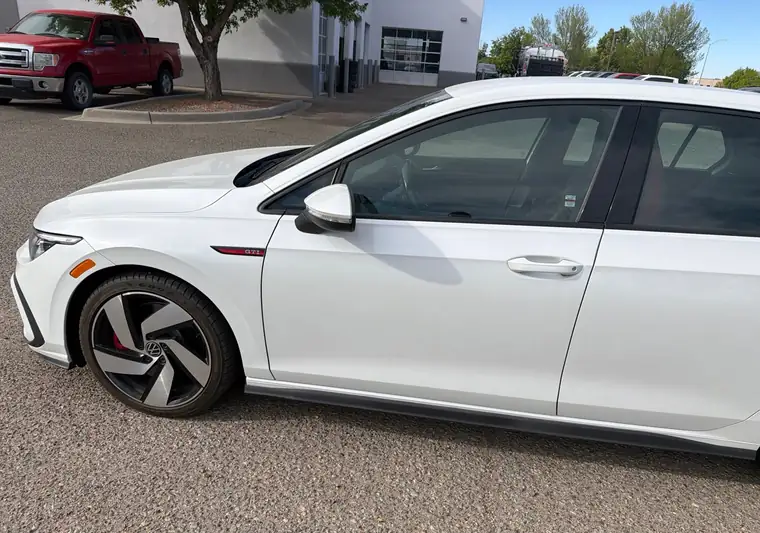
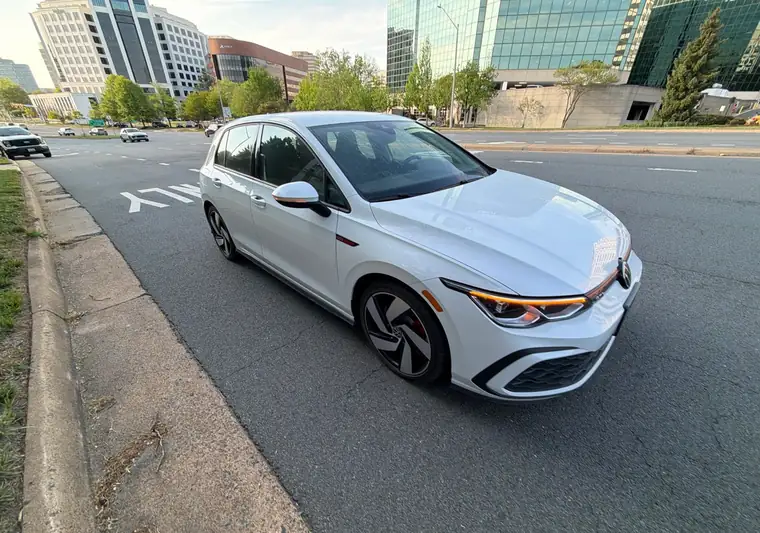
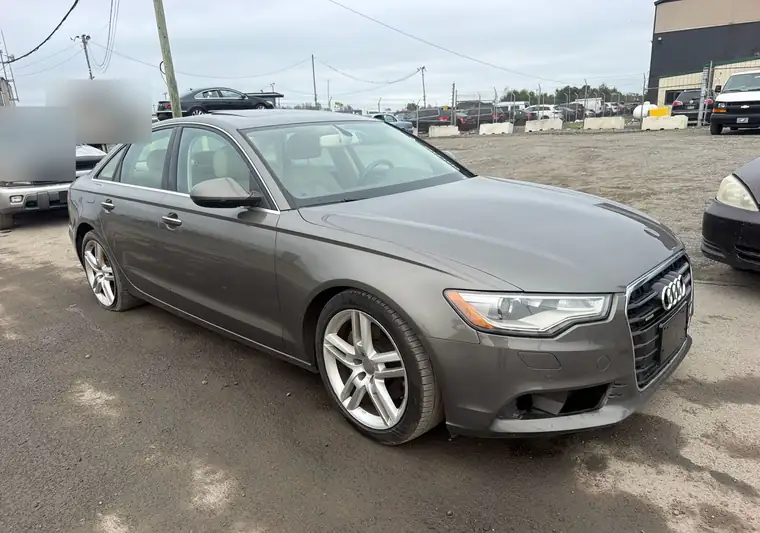
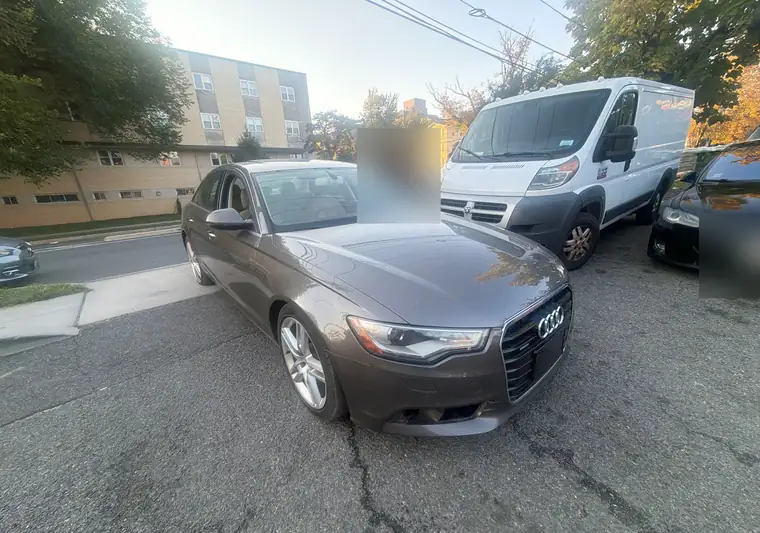
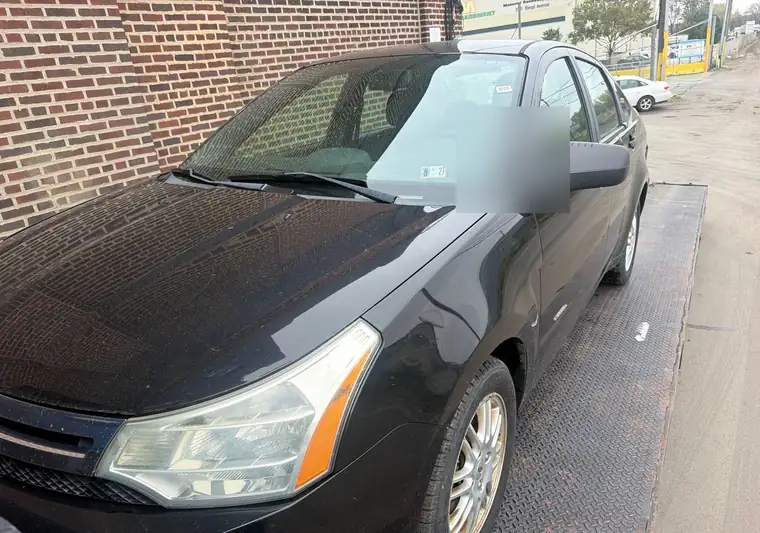
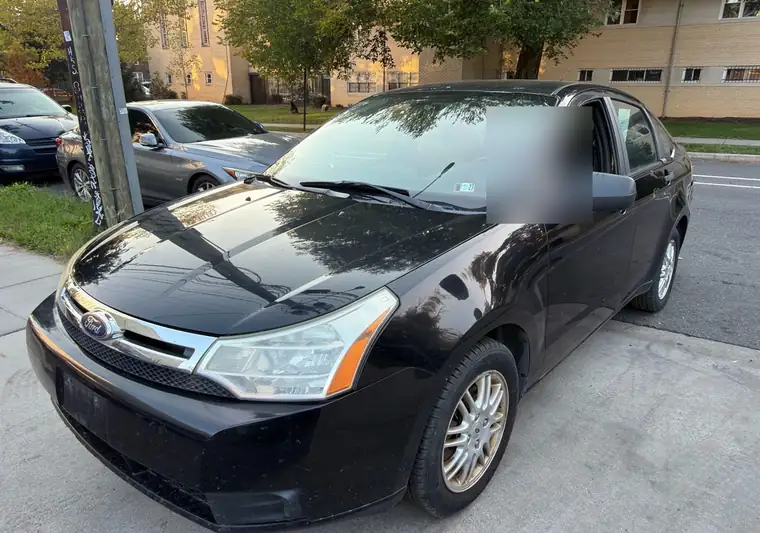
Photos are from the drivers’ inspections at pickup and delivery. License plates, signs, lot numbers and bystanders are blurred or out of frame. The Audi in these photos has front bumper damage, and the two cars were picked up at an auction yard and delivered to a body shop. If a car like that does not run, price it as inoperable.
Inoperable and enclosed vehicles: what they add
On our platform an inoperable vehicle adds about $100 to the open-trailer price, because the driver needs a winch and extra loading time, and enclosed transport adds about 75%, because enclosed trailers carry fewer cars. For example, a sedan quoted at $614 open from Washington, DC to Atlanta works out to about $1,074 enclosed, or $1,174 if it also does not run. Collector, exotic and high-value cars are usually shipped enclosed, which many Washington-area owners choose for cars that sit on narrow, tree-lined streets or in garages. Our classic car transport guide covers enclosed shipping in detail.
Who ships cars in and out of Washington, DC, and when
A few patterns recur in the Washington market. These are general industry experience and the District’s own calendar, not our October quote data, so compare a live quote for your date:
- Government and Capitol Hill moves. Federal agencies, Congress, the White House, think tanks and lobbying firms bring a steady flow of people who relocate for a new job, an appointment or an election cycle. Some of them ship a car instead of driving it, especially when the move is from far away.
- Students. Georgetown, George Washington, American, Howard, Catholic University, Gallaudet and the other District campuses fill up in late August and empty in May, and many students ship a car to or from out of state.
- Military and diplomatic moves. Joint Base Anacostia-Bolling and Fort McNair sit inside the District, with the Pentagon, Joint Base Andrews, Fort Belvoir and Walter Reed in the surrounding area, and embassies and international organizations add moves in and out. Ask your carrier how gate access will work and consider meeting the driver outside it.
- Relocations and second cars. Washington moves people to and from the Northeast, the Southeast, Texas and the West Coast, and city residents often ship a car after a move instead of driving.
- Weather. Winter storms can slow I-95 and the Capital Beltway, and a heat wave or thunderstorm can delay a pickup, so keep a flexible pickup window of a few days.
A flexible pickup window of a few days usually gets a faster carrier match, and booking a few days ahead matters more around late August, when many students and new hires move at once.
Picking up and delivering a car in the District
Washington is a hard place for a full-size car hauler, and it is worth planning the handoff before the driver arrives:
- Narrow streets and alleys. A car carrier is a long, heavy truck. Many rowhouse blocks, one-way streets and alleys in Capitol Hill, Georgetown, Dupont Circle and Adams Morgan are too tight for it, so the driver may ask you to meet at a nearby wide street or a parking lot.
- Parking and loading. Residential Permit Parking, bike lanes, rush-hour restrictions and parking enforcement can make it hard to stop a truck. Tell the carrier about restrictions at your address and whether a space can be held. DC DMV and the District Department of Transportation publish the current parking rules.
- Suburbs and meeting points. Cars picked up in Arlington, Alexandria, Bethesda, Silver Spring or Tysons are often easier to reach than a Washington street, and a business parking lot or a shopping center near the interstate is common.
- Someone has to be there. The bill of lading is signed at both ends, so name someone who can inspect the car and sign if you cannot.
Distance, transit time and the main corridors
Washington’s traffic runs on a few interstates:
- I-95 is the main north–south route, linking Washington with Baltimore, Philadelphia and New York to the north and Richmond and the Southeast to the south.
- I-495, the Capital Beltway, circles the District through Maryland and Virginia, and I-66, I-395 and I-270 feed it from the west, south and northwest. I-70 and I-81 carry traffic toward the Midwest.
- One small city, three jurisdictions. Many “Washington” searches are really for Maryland and Virginia suburbs, which are priced separately and registered under different rules. Get a live quote for the exact pickup and delivery address.
Typical open-trailer transit is about 1 to 2 days for trips under 400 miles, 2 to 4 days for 500 to 800 miles, 3 to 6 days for 1,000 to 1,300 miles and 6 to 9 days coast to coast. Those are industry-typical ranges rather than guarantees, and the clock starts when a driver picks the car up, not when you book. A flexible pickup window of a few days usually gets a faster carrier match.
Moving to Washington, DC: registration, inspection and insurance
If you are moving to the District, the car arrives before the paperwork starts. These are the rules published by the DC DMV for vehicles brought in from another state, as found in search excerpts, so confirm each item with the DMV before you go:
- Register within 60 days. The DC DMV says new residents have 60 calendar days from the date they begin to live in the District to register a vehicle. Some third-party sites say 30 days, so confirm the deadline with the DMV.
- Pass the DC inspection first. A vehicle has to pass DC DMV inspection before it can be registered. You can use your current out-of-state tags to take the car to inspection, and inspection stickers from other states are not accepted. The DMV lists exemptions for some vehicles, including fully electric cars and diesel passenger vehicles from the emissions test, and says a personal vehicle inspection is valid for two years.
- Bring the title and proof of DC insurance. The DMV needs the vehicle title, and the insurance proof has to show your name, coverage dates, the VIN and your District address.
- Convert your driver license first. The DMV says you must first convert an out-of-state driver license to a DC license or non-driver ID before you can register the vehicle.
- Insurance minimums. The DC DMV lists liability minimums of $25,000 per person and $50,000 per accident for bodily injury and $10,000 for property damage, plus uninsured motorist coverage. Proposed changes have been reported, so confirm the current limits with the DMV or your insurer.
Rules and fees change, so confirm each item before you go: DC DMV vehicle registration and inspection and DC DMV inspections.
How to choose a car shipping company in Washington, DC
Searches for auto transport Washington, DC and the best car shipping companies in Washington, DC find long lists of names, but there is no official ranking, and the right company is the one that is licensed, insured and clear about price. Check these before you book with anyone:
- Look up the company’s federal registration. Every interstate auto transporter or broker needs a USDOT number and operating authority. You can check them on the FMCSA company snapshot and the FMCSA licensing and insurance search.
- Know whether you are dealing with a broker or a carrier. A carrier owns the trucks. A broker or marketplace like Transportli matches your car with a vetted carrier on your lane and shows you the price up front.
- Ask what the quote includes. Our quotes are for one vehicle on an open trailer, and inoperable and enclosed are priced as adjustments, as shown above. Be wary of a price far below the others, because it may not find a driver.
- Understand the pickup window. Carriers give a window, not an exact time, and a flexible window of a few days usually gets a faster match.
- Document the car. The bill of lading is the condition report, so take dated photos at pickup and delivery and note any damage before you sign.
Preparing your car for pickup
- Wash the car and photograph it from every side, inside and out, with the date on.
- Leave about a quarter tank of fuel and check for leaks, since carriers may refuse a car that leaks fluid.
- Remove personal items and toll tags. E-ZPass and other tags should come off, and carriers generally do not insure belongings left in the car.
- Fold or secure mirrors, antennas and racks and tell the carrier about anything unusual: a lowered car, a lift kit or a car that does not run.
- Plan the handoff. Decide where the truck can stop, and make sure someone can inspect and sign the bill of lading at both ends.
Our auto transport guide has the full checklist.
Washington, DC auto transport: frequently asked questions
How much does it cost to ship a car to or from Washington, DC?
In our real quotes for 28 Washington, DC lanes, an open-trailer sedan ranged from $100 to $1,544, from a 38-mile run to Baltimore to a 2,767-mile haul to Seattle. The shortest lanes cost the most per mile and the longest the least. Use the quote tool for your exact route.
How much does it cost to ship a car between Washington, DC and New York?
A sedan from Washington, DC to New York (225 miles) was $490 and New York to Washington, DC was $514 in our quotes. Transit is typically about 1 to 2 days.
How much does it cost to ship a car between Washington, DC and Miami?
A sedan from Washington, DC to Miami (1,056 miles) was $970 and Miami to Washington, DC was $744 in our quotes. Transit is typically about 3 to 6 days.
How much does it cost to ship a car between Washington, DC and California?
A sedan from Washington, DC to Los Angeles (2,673 miles) was $1,500 and Los Angeles to Washington, DC was $1,525 in our quotes. Transit is typically about 5 to 9 days.
How much does it cost to ship a car between Washington, DC and Seattle?
A sedan from Washington, DC to Seattle (2,766 miles) was $1,544 and Seattle to Washington, DC was $1,506 in our quotes. Transit is typically about 5 to 9 days.
How much does it cost to ship a car between Washington, DC and Colorado?
A sedan from Washington, DC to Denver (1,667 miles) was $1,190 and Denver to Washington, DC was $981 in our quotes. Transit is typically about 5 to 9 days.
How much does it cost to ship a car between Washington, DC and Texas?
A sedan from Washington, DC to Dallas (1,329 miles) was $1,000 and Dallas to Washington, DC was $809 in our quotes. To Houston, a sedan from Washington, DC to Houston (1,411 miles) was $1,060 and Houston to Washington, DC was $800 in our quotes. Transit is typically about 3 to 6 days.
How much does it cost to ship a car between Washington, DC and Chicago?
A sedan from Washington, DC to Chicago (697 miles) was $735 and Chicago to Washington, DC was $701 in our quotes. Transit is typically about 2 to 4 days.
How much does it cost to ship a car between Washington, DC and Atlanta?
A sedan from Washington, DC to Atlanta (639 miles) was $614 and Atlanta to Washington, DC was $631 in our quotes. Transit is typically about 2 to 4 days.
How much does it cost to ship a car between Washington, DC and Boston?
A sedan from Washington, DC to Boston (437 miles) was $450 and Boston to Washington, DC was $570 in our quotes. Transit is typically about 1 to 2 days.
How much does it cost to ship a car from Baltimore, Richmond or Philadelphia to Washington, DC?
A sedan from Washington, DC to Baltimore (38 miles) was $100 and Baltimore to Washington, DC was $114 in our quotes. A sedan from Washington, DC to Richmond (109 miles) was $250 and Richmond to Washington, DC was $265 in our quotes. A sedan from Washington, DC to Philadelphia (136 miles) was $284 and Philadelphia to Washington, DC was $308 in our quotes. Short trips like these cost the most per mile and usually take a day.
How long does it take to ship a car to or from Washington, DC?
Typical open-trailer transit is about 1 to 2 days for trips under 400 miles, 2 to 4 days for 500 to 800 miles, 3 to 6 days for 1,000 to 1,300 miles and 6 to 9 days coast to coast. These are typical ranges, not guarantees, and the clock starts at pickup.
Does the direction of the trip change the price?
In our quotes a sedan arriving in Washington cost more than the same trip leaving on 7 of the 14 corridors, for example Boston to Washington 27% higher ($570 vs. $450). If you can ship in either direction, compare both.
How much extra does it cost to ship an inoperable car?
On our platform an inoperable vehicle adds about $100 to the open-trailer price, because the driver needs a winch and extra loading time. Tell us the car does not run when you request the quote.
How much more is enclosed car shipping?
Enclosed transport adds about 75% over the open-trailer price on our platform. For example, a sedan quoted at $614 open from Washington, DC to Atlanta works out to about $1,074 enclosed. Collector and high-value cars are usually shipped enclosed.
How long did recent Washington, DC car shipments take?
In five recent jobs, a Ford Focus and an Audi A6 went about 140 miles from Philadelphia on one truck and were delivered the same day, a Range Rover Evoque went about 1,050 miles from Kansas in 1 day, a BMW M3 went about 1,700 miles from Colorado in 2 days and a Golf GTI about 1,900 miles from New Mexico in 2. Dates are the signature dates on the bills of lading and miles are our approximations.
Can I ship a car from an auction to a body shop in Washington, DC?
Yes. Two of our five recent jobs were an Audi A6 and a Ford Focus picked up at a Philadelphia auto auction and delivered to a body shop in the District on the same day. Carriers pick up and deliver at auction yards, though each yard has its own release rules, and a car that does not run should be priced as inoperable.
Can a truck pick up my car on my street in Washington, DC?
Often not. A car hauler is a long, heavy truck, and many rowhouse blocks, alleys and one-way streets in the District are too narrow for it. The driver may ask you to meet at a nearby wide street or parking lot, so tell the carrier about restrictions at your address.
Do I have to register my car in Washington, DC after it is shipped?
If you are a new resident, yes. The DC DMV says new residents have 60 calendar days from the date they begin to live in the District, and some third-party sites say 30, so confirm with the DMV. The car has to pass DC inspection first, and you need the title, proof of DC insurance and, first, a DC driver license or ID.
Does my car need an inspection in Washington, DC?
Yes. The DC DMV says a vehicle must pass DC DMV inspection before it can be registered, out-of-state inspection stickers are not accepted, and a personal vehicle inspection is valid for two years. You can use your current out-of-state tags to take the car to inspection.
What insurance does Washington, DC require?
The DC DMV lists minimum liability limits of $25,000 per person and $50,000 per accident for bodily injury and $10,000 for property damage, plus uninsured motorist coverage. A bill to raise the limits has been reported, so confirm the current figures with the DMV or your insurer.
How do I choose an auto transport company in Washington, DC?
Check the company’s USDOT number and operating authority on the FMCSA site, find out whether you are dealing with a broker or a carrier, and ask what the quote includes. Be wary of a price far below the others, because it may not find a driver, and document the car with dated photos at pickup and delivery.
Can I ship a car from Washington, DC to Hawaii?
Hawaii involves an ocean leg, so it is priced differently from the lower-48 lanes on this page. Our car shipping cost guide explains why, and a quote request will show what is available for your dates.
Get a Washington, DC auto transport quote
Compare quotes from vetted carriers for your exact pickup and delivery. Free, no account needed.
Get a DC auto transport quote →