

Enclosed auto transport moves your car inside a covered trailer, shielded from weather, road debris and prying eyes. It is the standard choice for classic, exotic, collector and high-value cars, and it costs more than open transport because an enclosed trailer carries far fewer cars. We priced 20 real lanes both ways, and an enclosed sedan cost a median 74% more than the same sedan on an open trailer (77% more for an SUV). Here is what enclosed car transport costs, how it works, and how to decide whether it is worth it.
What is enclosed auto transport?
On an enclosed trailer the car sits inside a covered trailer, secured with straps or wheel nets, and is shielded from rain, hail, road salt, stones and tar. The trailers are smaller than the open double-deck haulers, with room for roughly 1 to 6 cars according to industry sources, and many load through a lift gate or a long, low ramp, which suits low front ends and long overhangs. Some carriers call any covered trailer “enclosed”, so ask whether it is a fully enclosed, hard-sided trailer or a soft-sided covered one, because they protect differently. Enclosed car shipping, enclosed car transport and enclosed vehicle transport all mean the same service.
How much does enclosed auto transport cost?
Enclosed transport is the open-trailer price plus a premium. On October 19, 2026 we priced 20 lanes both ways for a running sedan and a running SUV. The enclosed sedan price was a median 74% higher, ranging from +33% to +145%, and 13 of the 20 lanes were within +40% to +100%. For an SUV the median was +77%. Here is the same set of lanes, sorted by distance:
| Route | Miles | Sedan, open | Sedan, enclosed | Enclosed premium | SUV, open | SUV, enclosed |
|---|---|---|---|---|---|---|
| Dallas → Houston | 239 | $250 | $543 | +117% | $250 | $581 |
| Houston → Dallas | 239 | $250 | $612 | +145% | $251 | $510 |
| Orlando → Atlanta | 439 | $400 | $574 | +44% | $400 | $812 |
| Atlanta → Orlando | 440 | $400 | $731 | +83% | $400 | $740 |
| Chicago → Atlanta | 690 | $531 | $910 | +71% | $684 | $1,378 |
| Atlanta → Chicago | 690 | $732 | $1,018 | +39% | $710 | $1,129 |
| Baltimore → Atlanta | 697 | $710 | $1,113 | +57% | $975 | $1,224 |
| Atlanta → Baltimore | 697 | $600 | $887 | +48% | $640 | $906 |
| Phoenix → Denver | 822 | $784 | $1,421 | +81% | $960 | $1,312 |
| Denver → Phoenix | 823 | $610 | $1,295 | +112% | $600 | $1,260 |
| Chicago → Dallas | 969 | $816 | $1,106 | +36% | $833 | $1,159 |
| Dallas → Chicago | 969 | $685 | $1,264 | +85% | $700 | $1,245 |
| Orlando → New York | 1,082 | $706 | $1,239 | +75% | $660 | $1,382 |
| New York → Orlando | 1,083 | $1,100 | $1,496 | +36% | $1,129 | $1,745 |
| Los Angeles → Seattle | 1,143 | $1,011 | $1,346 | +33% | $938 | $1,391 |
| Seattle → Los Angeles | 1,143 | $780 | $1,426 | +83% | $847 | $1,803 |
| Miami → Boston | 1,498 | $896 | $1,415 | +58% | $900 | $1,488 |
| Boston → Miami | 1,501 | $1,011 | $1,811 | +79% | $1,331 | $1,936 |
| Los Angeles → New York | 2,794 | $1,485 | $2,599 | +75% | $1,776 | $3,217 |
| New York → Los Angeles | 2,800 | $1,409 | $2,434 | +73% | $1,566 | $2,765 |
These are platform estimates for a running vehicle on October 19, 2026, so use them as a guide and get a live quote. A platform rule of thumb of about +75% matches the measured median, and a second check of 12 lanes the day before gave a median of +71%. We now re-measure the premium every Monday in the Car Shipping Price Index.
Enclosed car transport cost per mile
The price per mile falls as the trip gets longer, for both trailer types. For a sedan on our lanes, the enclosed price per mile averaged:
| Distance | Lanes | Enclosed per mile | Open per mile | Average enclosed price | Median premium |
|---|---|---|---|---|---|
| Under 500 miles | 4 | $1.81 | $0.96 | $615 | +100% |
| 500 to 1,000 miles | 8 | $1.42 | $0.86 | $1,127 | +64% |
| 1,000 to 1,500 miles | 5 | $1.16 | $0.76 | $1,384 | +58% |
| 1,500 miles and up | 3 | $0.96 | $0.55 | $2,281 | +75% |
Across all 20 lanes the enclosed sedan averaged $1.22 a mile against $0.73 for open, and the average enclosed price was $1,262 against $758 open. Short trips cost the most per mile because the driver’s fixed costs are spread over fewer miles, and long trips cost less per mile but more in total. Use the calculator below for your own route.
Enclosed auto transport cost calculator
Enter two ZIP codes. The calculator starts on an enclosed trailer and shows the closest real lanes in our data for your route.
Did you know?From 20 real lanes priced both ways on October 19, 2026
-
+74% median enclosed premium, sedan
Enclosed cost a median of 74% more than open for a sedan
The premium ran from +33% to +145% across 20 lanes.
-
$1.22 average enclosed price per mile, sedan
Enclosed averaged $1.22 a mile against $0.73 open
Under 500 miles it averaged $1.81 a mile enclosed, and on lanes of 1,500 miles and up $0.96.
-
$2,599 a sedan, enclosed, Los Angeles to New York
Coast to coast, enclosed was $2,599 against $1,485 open
That is a premium of 75% on a 2,794-mile trip.
-
+75% enclosed premium, Orlando to New York
The premium differs by direction
New York to Orlando was only +36% enclosed, while the reverse was +75%.

What changes the price of enclosed transport
- Distance and direction. Longer trips cost more in total and less per mile, and the same lane can cost very different amounts in each direction, as the table above shows.
- Vehicle size and weight. An enclosed SUV cost a median of 77% more than the open price, and a pickup, a lifted vehicle or a dually needs a quote of its own.
- Season and events. Collector-car auctions and shows create busy periods on the same routes, and winter and the snowbird season move prices on Northeast–Florida lanes.
- Pickup window. A flexible window of a few days usually gets a faster carrier match, and enclosed trucks are scarcer, so flexibility matters more.
- Whether the car runs. An inoperable car adds about $100 on our platform, and you should tell the carrier so it can bring a winch.
- Value of the car. A carrier with a higher cargo limit may charge more, and you should check the limit before you pay.
Who needs enclosed auto transport?
- Classic and collector cars. Paint, chrome and vintage glass are costly to restore, so most owners ship them enclosed. Our classic car transport guide shows real jobs.
- Exotic, luxury and high-value cars. A low front end, expensive paint and the cost of a repair all favor enclosed, and so does privacy.
- New or low-mileage cars. If you want a car to arrive exactly as it left, enclosed removes the road debris and weather risk.
- Low and modified cars. A lowered car, a kit car or a car with long overhangs is easier to load with a lift gate or a long ramp.
- Winter, salt and hail routes. Open is fine for most cars, but if the route crosses salt or hail country and the car matters to you, enclosed is worth pricing.
For an ordinary daily driver the premium of about 74% usually buys protection from risks that are small, which is why most cars ship open. If you are unsure, our open vs. enclosed guide has a checklist.
How enclosed auto transport works
- Get a quote with the trailer type. Tell us the car, the route, your dates and that you want enclosed, and compare quotes from vetted carriers.
- Book a pickup window. Carriers give a window rather than an exact time, and enclosed trucks are fewer, so a flexible window helps.
- Inspect and photograph the car. At pickup the driver inspects the car with you and records its condition on the bill of lading, and you should take dated photos too.
- Loading. The car is driven or winched into the trailer and secured, often with soft straps and a lift gate or ramp.
- Delivery and inspection. Inspect the car against the bill of lading before you sign, and note any damage on it before the driver leaves.
What the photos show
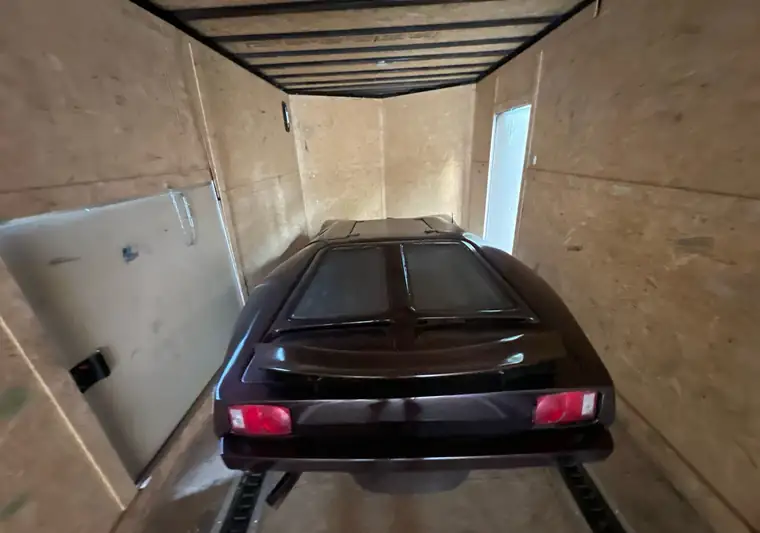
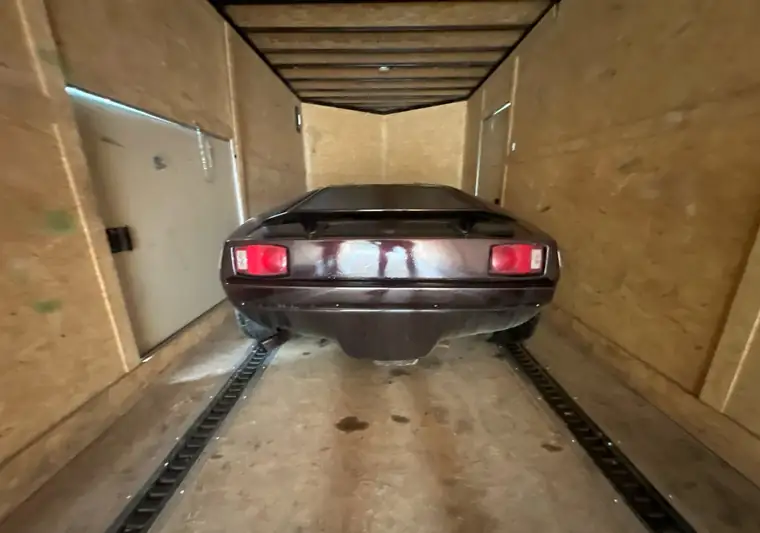
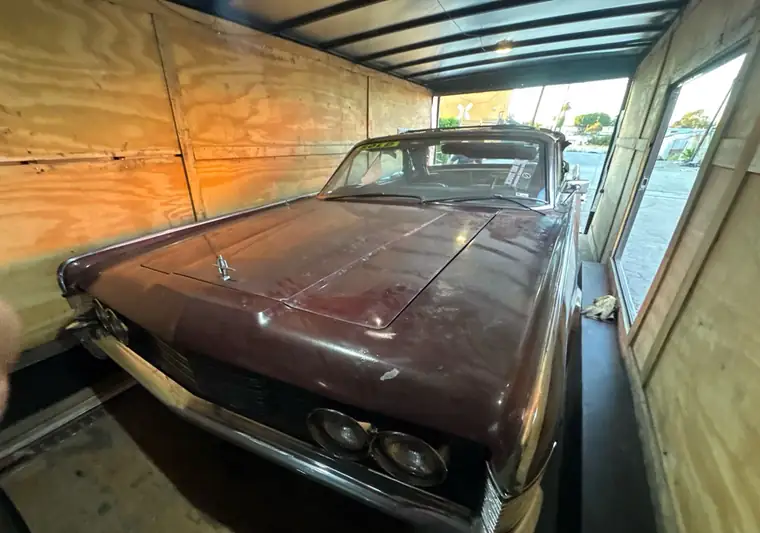
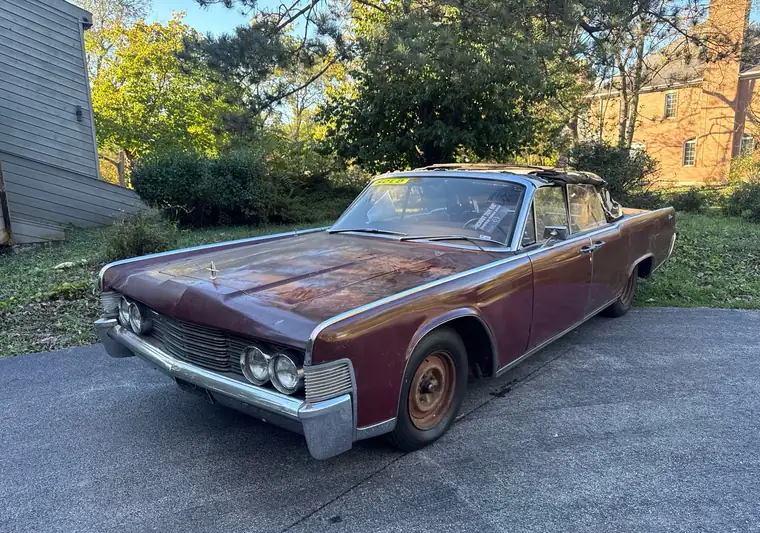
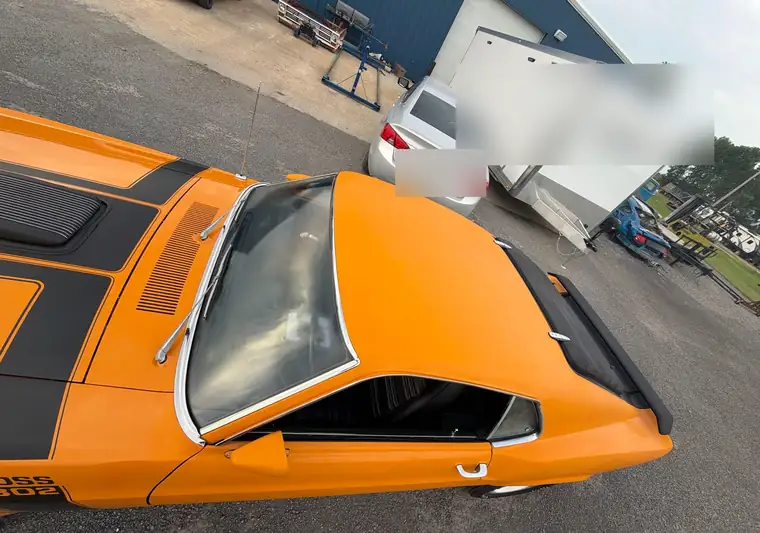
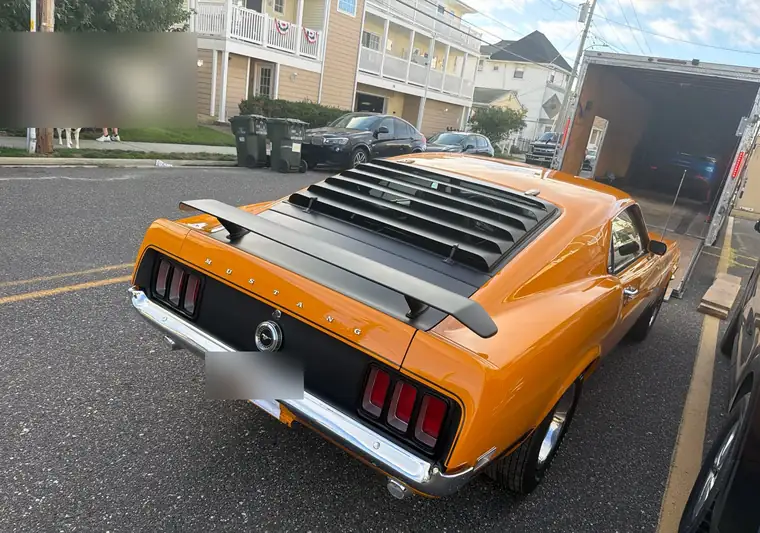
These are the carriers’ own inspection photos from real jobs on enclosed trailers. The Cimbria SS is strapped down inside a plywood-lined enclosed trailer at pickup, and the Lincoln convertible rode inside an enclosed trailer from Los Angeles to Illinois.
Insurance and what to ask an enclosed carrier
- The cargo insurance certificate. Ask for it, and read the limit and the exclusions. Industry guides quote higher cargo limits for enclosed carriers, and exotic specialists advertise much more, but only the certificate tells you the real number.
- Compare the limit with the car’s value. If the carrier’s limit is lower than the car is worth, ask how a total loss would be valued.
- Your own policy. Some collector and agreed-value policies cover a car in transit and some do not, so ask your insurer in writing.
- Trailer type and loading. Ask whether the trailer is hard-sided or soft-sided, how the car is secured and whether it loads by lift gate or ramp.
- Experience with your kind of car. Ask how many cars like yours the driver has hauled.
- The bill of lading. It is the condition report and the contract, so inspect the car before you sign at delivery.
Transportli is a freight marketplace, not a carrier. You describe the car and the route, and we match it with carriers on our platform that have been checked for active operating authority, insurance and safety rating. Tell us in the quote that you want an enclosed trailer, and compare the prices and the pickup windows. For a general check of any carrier, use the FMCSA company snapshot and the FMCSA licensing and insurance search.
Enclosed vs. open: a quick comparison
| Enclosed | Open | |
|---|---|---|
| Price | Median +74% (sedan), $1.22 a mile | Baseline, $0.73 a mile |
| Cars per truck | Often 1 to 6 | About 7 to 10 |
| Protection | Shielded from weather and debris | Exposed like a car being driven |
| Best for | Classic, exotic, high-value, low and new cars | Most cars, dealer and auction cars, lowest price |
Our full open vs. enclosed comparison has the cost table, a decision checklist and the premium by distance, and the open auto transport guide covers the standard option.
Enclosed auto transport: frequently asked questions
How much does enclosed auto transport cost?
It is the open-trailer price plus a premium. On 20 real lanes priced both ways on October 19, 2026, a running sedan cost a median of 74% more enclosed (range +33% to +145%), and an SUV cost a median of 77% more. On average an enclosed sedan cost $1.22 a mile against $0.73 open.
How much does enclosed car transport cost per mile?
In our quotes an enclosed sedan averaged $1.22 a mile across 20 lanes. Under 500 miles it averaged $1.81 a mile and on lanes of 1,500 miles and up $0.96. Short trips cost the most per mile and long trips cost less per mile but more in total.
Is enclosed auto transport worth it?
It is worth it for classic, collector, exotic and high-value cars, very low cars and new cars you want to arrive untouched. For an ordinary daily driver the premium of about 74% usually buys protection from small risks, so most people ship open.
What is the difference between enclosed and open car shipping?
Enclosed carriers use covered trailers that shield the car from weather and road debris and carry far fewer cars, so they cost more. Open carriers use multi-car haulers that are exposed to the elements and cost less. See our open vs. enclosed guide for the full comparison.
How many cars fit in an enclosed trailer?
Industry sources say roughly 1 to 6, often 2 to 4, depending on the trailer and the cars. An open hauler typically carries about 7 to 10, which is why enclosed costs more per car.
Is enclosed auto transport safer?
It protects against weather and road debris and gives privacy, and many enclosed carriers carry higher cargo limits. It is not a guarantee, so check the carrier’s insurance certificate, the trailer type and how the car is secured, and inspect the car at delivery.
How long does enclosed transport take?
Once the car is on the truck the transit time is similar to open, about 1 to 2 days for trips under 400 miles and 6 to 9 days coast to coast. Enclosed trucks are fewer, so the pickup window can take longer to fill, and a flexible window helps.
What is the difference between hard-sided and soft-sided enclosed trailers?
A hard-sided trailer is fully enclosed with solid walls and a roof, while a soft-sided trailer is covered with heavy fabric. They protect differently, so ask which one the carrier uses rather than relying on the word “enclosed”.
Can I ship an SUV or truck enclosed?
Yes. In our quotes an enclosed SUV cost a median of 77% more than the same SUV on an open trailer. A pickup, a lifted vehicle or a dually needs a quote of its own.
Does enclosed transport pick up at my door?
Carriers try to pick up and deliver at or near your address, but an enclosed truck is long and heavy, so narrow streets and tight driveways may mean meeting the driver at a nearby lot. Tell the carrier about restrictions when you request the quote.
Should I rent an enclosed trailer and tow the car myself?
It can work for a short trip if you have a tow vehicle rated for the weight, a proper hitch and the right insurance. For most longer trips hiring a carrier is simpler, because you avoid the driving, fuel, tolls and risk, and the premium for enclosed carrier transport may be less than renting a trailer and driving yourself once you count your time.
How do I choose an enclosed auto transport company?
Check the company’s USDOT number and operating authority on the FMCSA site, find out whether you are dealing with a broker or a carrier, ask for the cargo insurance certificate and the trailer type, and ask how many cars like yours the driver has hauled. Be wary of a price far below the others, because it may not find a driver.
Get an enclosed auto transport quote
Tell us the car, the route and that you want an enclosed trailer. Compare quotes from vetted carriers. Free, no account needed.
Get an enclosed quote →