

Shipping a car to or from California? What it costs depends on the route, the vehicle and whether it runs. We ran real quotes from our platform for twenty-one California lanes, from a 123-mile hop from Los Angeles to San Diego to a 2,800-mile haul from New York, and an open-trailer sedan ranged from $200 to $1,529. Here’s what it costs by vehicle type, why leaving California cost more than arriving on 8 of the 9 corridors we quoted both ways, what California expects once your car arrives, and what shapes shipping in the state, from military moves to mountain-pass snow. We also show eight real jobs from signed bills of lading, with photos.
What it costs to ship a car to or from California
Every figure below is a real quote from our platform for one vehicle on an open trailer, running, priced separately for each vehicle type on October 13, 2026. Los Angeles stands in for Southern California, San Francisco for the Bay Area, Fresno for the Central Valley and San Diego for the border region, and each lane is labeled by its actual cities:
| Route | Distance | Sedan | SUV | Pickup | Van | Sedan per mile |
|---|---|---|---|---|---|---|
| Los Angeles → San Diego | 123 mi | $200 | $220 | $312 | $320 | $1.63 |
| Fresno → Los Angeles | 219 mi | $225 | $298 | $386 | $441 | $1.03 |
| Phoenix → Los Angeles | 374 mi | $270 | $286 | $374 | $449 | $0.72 |
| Los Angeles → Phoenix | 376 mi | $430 | $400 | $637 | $714 | $1.14 |
| San Francisco → Los Angeles | 383 mi | $400 | $500 | $737 | $722 | $1.04 |
| Portland → San Francisco | 635 mi | $502 | $493 | $1,001 | $1,244 | $0.79 |
| San Francisco → Portland | 636 mi | $757 | $896 | $1,008 | $1,078 | $1.19 |
| Dallas → Los Angeles | 1,433 mi | $817 | $819 | $2,241 | $1,883 | $0.57 |
| Los Angeles → Dallas | 1,433 mi | $1,070 | $1,095 | $1,657 | $1,394 | $0.75 |
| Nashville → Los Angeles | 2,008 mi | $1,172 | $1,293 | $3,182 | $3,259 | $0.58 |
| Los Angeles → Nashville | 2,008 mi | $1,207 | $1,400 | $2,002 | $1,687 | $0.60 |
| Atlanta → Los Angeles | 2,186 mi | $1,252 | $1,293 | $2,687 | $1,528 | $0.57 |
| Los Angeles → Atlanta | 2,185 mi | $1,310 | $1,479 | $3,083 | $3,066 | $0.60 |
| Detroit → Los Angeles | 2,285 mi | $1,269 | $1,380 | $1,767 | $2,074 | $0.56 |
| Los Angeles → Detroit | 2,285 mi | $1,244 | $1,396 | $1,955 | $2,102 | $0.54 |
| Jacksonville, NC → San Diego | 2,608 mi | $1,379 | $1,544 | $1,825 | $3,337 | $0.53 |
| San Diego → Jacksonville, NC | 2,608 mi | $1,529 | $1,642 | $2,605 | $3,377 | $0.59 |
| Miami → Los Angeles | 2,738 mi | $1,300 | $1,363 | $1,952 | $2,400 | $0.47 |
| Los Angeles → Miami | 2,737 mi | $1,481 | $1,520 | $2,378 | $3,177 | $0.54 |
| New York → Los Angeles | 2,800 mi | $1,419 | $1,511 | $2,510 | $2,493 | $0.51 |
| Los Angeles → New York | 2,794 mi | $1,512 | $1,654 | $3,379 | $3,244 | $0.54 |
Coupes were quoted the same as sedans on every lane we checked, so they are grouped. A few quotes are less certain than the rest, because the platform rates its confidence in each price. Dallas to Los Angeles came back at 64 percent confidence for the pickup ($2,241), and some pickups and vans on long lanes jump well above the sedan, such as Nashville to Los Angeles, where a pickup was $3,182 and a van $3,259 against $1,172 for a sedan. Treat these as a guide, and get a live quote for your exact pickup and delivery points.
Auto transport price explorer
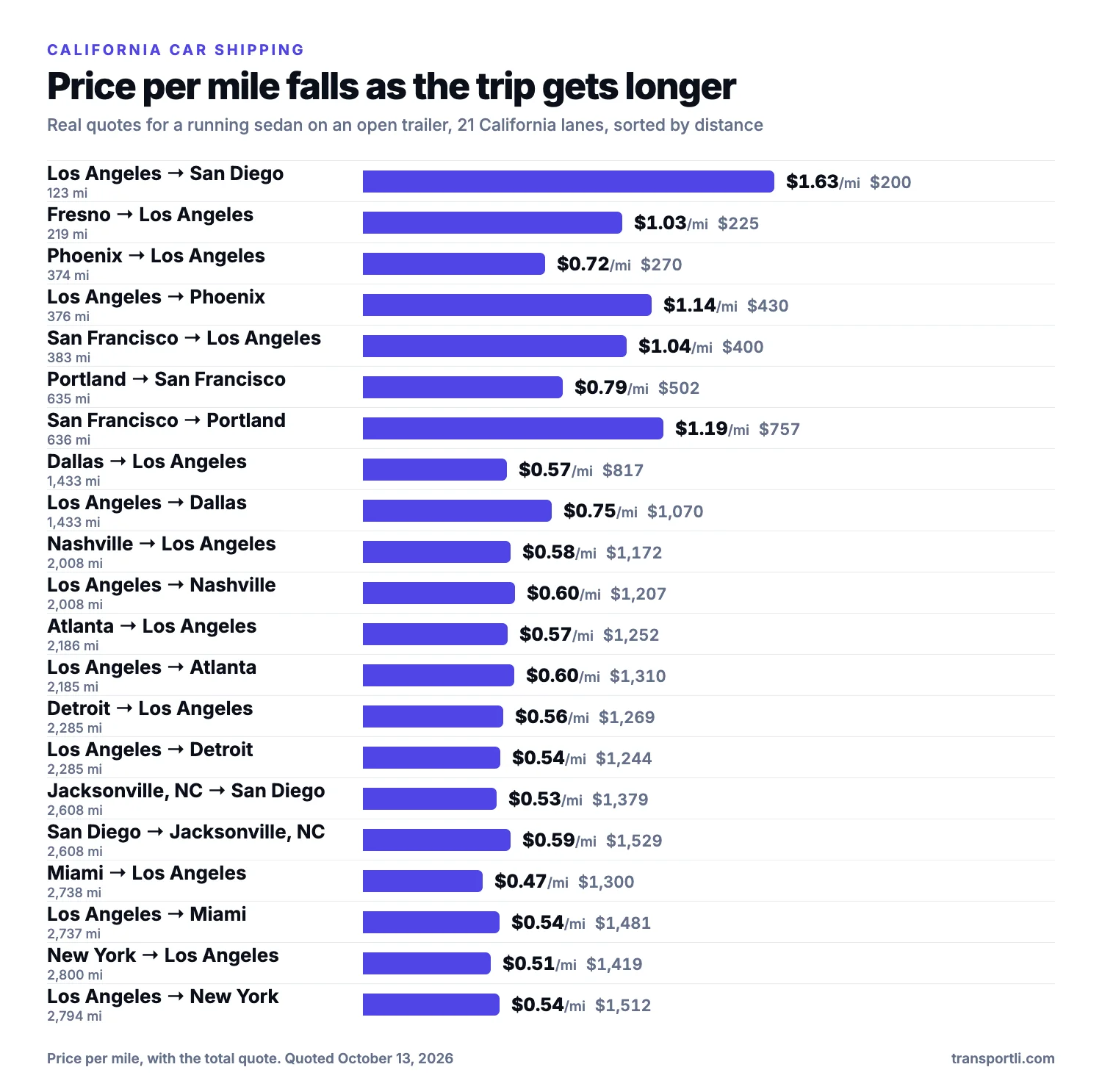
Every dot is a real quote from the lane table above. Pick your vehicle and options to re-price every lane, see how the price per mile changes with distance, and find the real lanes closest to your trip.
How the price per mile changes with distance
Distance is the biggest driver, but the price per mile falls fast as the trip gets longer. For a sedan it ran $0.72–$1.63 per mile under 400 miles, $0.79–$1.19 per mile at about 635 miles, $0.57–$0.75 per mile at about 1,430 miles and $0.47–$0.60 per mile at 2,000 miles or more. A short run costs more per mile because the driver still has to load, unload and reposition the truck whether the trip is 120 miles or 1,200. Los Angeles to New York is 23 times as far as Los Angeles to San Diego, but a sedan cost only 7.6 times as much ($1,512 vs. $200).
Pickups and vans cost more than sedans
Size matters, and the gap grows with distance. On the lanes of 1,000 miles or more a pickup cost about 1.3 to 2.7 times a sedan, and the widest gap was Dallas to Los Angeles, where a pickup was $2,241 against $817 for a sedan. SUVs priced within $20 of a sedan on only 4 of the 21 lanes, so check the SUV price on your own route rather than assuming it matches a sedan. On Los Angeles to Atlanta an SUV was $1,479 against $1,310 for a sedan, and a van was $3,066.
Popular California car shipping routes
California’s biggest corridors run to the Southeast, the Midwest, Texas, the Northeast and the Pacific Northwest, with what we quoted for a running sedan on an open trailer. Typical transit is the usual open-trailer range for the distance, not a guarantee, and the clock starts when the driver picks up the car.
California to North Carolina and North Carolina to California
This is the most-searched corridor in California car shipping, and it is also a military one: Marine Corps Base Camp Pendleton is in San Diego County and Camp Lejeune is in North Carolina, so permanent change of station moves between them are a likely reason. San Diego to Jacksonville, NC is 2,608 miles and a sedan was $1,529 going east and $1,379 coming back, with a pickup at $2,605 and $1,825 and a van at $3,377 and $3,337. Allow about 7 to 10 days.
California to Michigan and the Midwest
Los Angeles to Detroit is 2,285 miles. A sedan was $1,244 going out and $1,269 coming back, almost the same in both directions, which made it the only corridor where leaving California was not the more expensive way. An SUV was $1,396 and $1,380. Allow about 6 to 9 days.
California to Texas and Texas to California
Los Angeles to Dallas is 1,433 miles on I-10 and I-20 and a sedan was $1,070 going to Texas against $817 coming back to California, a difference of $253. A pickup was $1,657 out and $2,241 back. Allow about 4 to 6 days.
California to Florida and Florida to California
Los Angeles to Miami is 2,737 miles. A sedan was $1,481 going out and $1,300 coming back, and a van was $3,177 out and $2,400 back. Allow about 7 to 10 days.
California to New York, Georgia, Tennessee and the East
Coast to coast, Los Angeles to New York is 2,794 miles and a sedan was $1,512 going out and $1,419 coming back, at $0.54 and $0.51 per mile, the lowest in our set. Los Angeles to Atlanta (2,185 miles) was $1,310 out and $1,252 back, and Los Angeles to Nashville (2,008 miles) was $1,207 out and $1,172 back. Plan on about 7 to 10 days.
California to Oregon and the Pacific Northwest
San Francisco to Portland is 636 miles on I-5. A sedan was $757 going north and $502 coming back to the Bay Area, so heading north cost 51% more. Allow about 2 to 4 days.
California to Arizona and Arizona to California
Los Angeles to Phoenix is 376 miles on I-10 and a sedan was $430 going to Arizona against $270 coming back to Los Angeles, a difference of 59%. Allow about 1 to 3 days.
Within California
Los Angeles to San Diego is 123 miles and a sedan was $200, Fresno to Los Angeles is 219 miles and was $225, and San Francisco to Los Angeles is 383 miles and was $400. In-state trips usually finish in 1 to 2 days, and they are common for dealer transfers, auction pickups and students moving between campuses. For a lane we did not quote, such as Sacramento or San Jose, use the price explorer above to see the nearest real lanes, or get a live quote.
Real California jobs: how long they took
These are eight recent jobs that started in California, taken from the signed bills of lading and the pickup and delivery photos the drivers filed. They range from a cart-style vehicle to a classic car, a motorcycle with a sidecar and an electric van. Customer names, street addresses, VINs, plates and carrier details are left out, and the photos are blurred where needed. Dates are the pickup and delivery dates on each bill of lading and miles are approximate road distances. A bill of lading does not record the price, so the prices on this page are our quotes above, not what these customers paid.
| Vehicle | Route | Miles | Picked up | Delivered | Time |
|---|---|---|---|---|---|
| 2026 EPIC E40FX | Corona, CA → Henderson, NV | 244 | Aug 31, 2026 | Aug 31, 2026 | Same day |
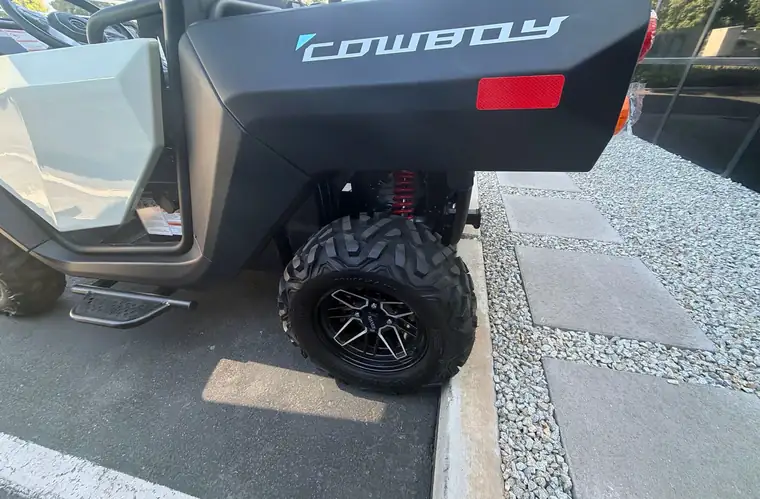
| 2025 Kandi Cowboy e10K (ATV) | Corona, CA → Tabiona, UT | 724 | Sep 30, 2026 | Oct 1, 2026 | 1 day |
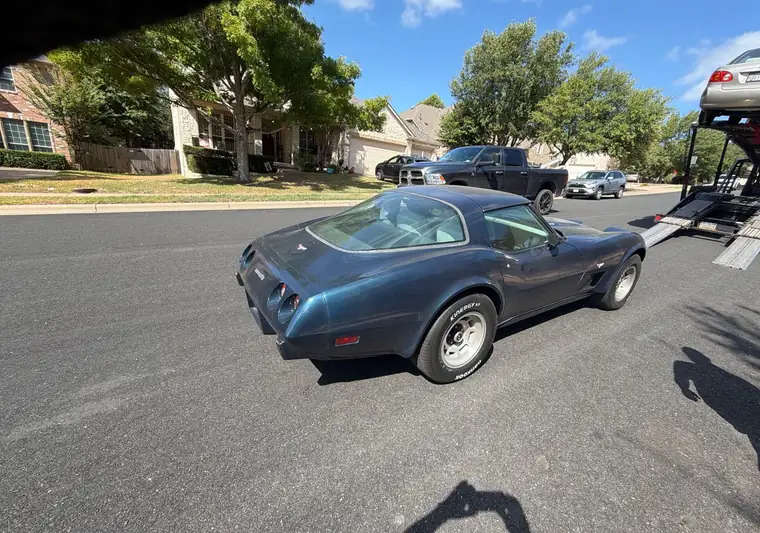
| 1979 Chevrolet Corvette | Rocklin, CA → Austin, TX | 1,791 | Aug 29, 2026 | Aug 31, 2026 | 2 days |
| 2018 Tesla Model 3 | Riverside, CA → Austin, TX | 1,330 | Oct 2, 2026 | Oct 5, 2026 | 3 days |
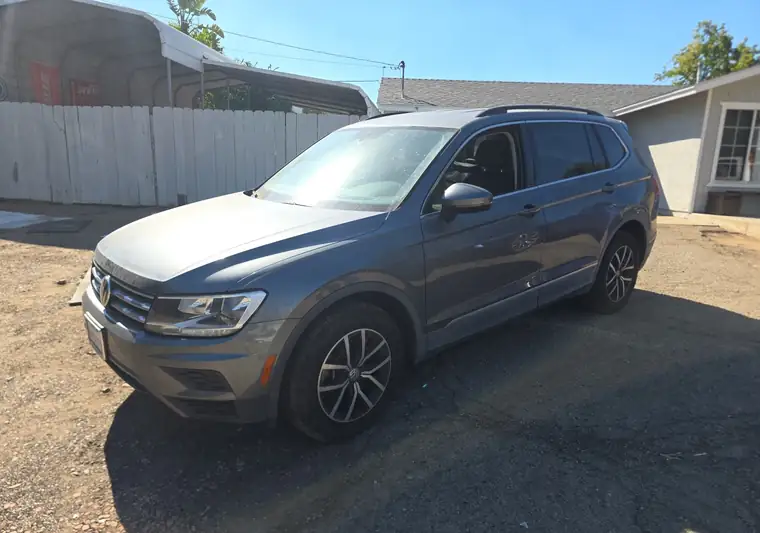
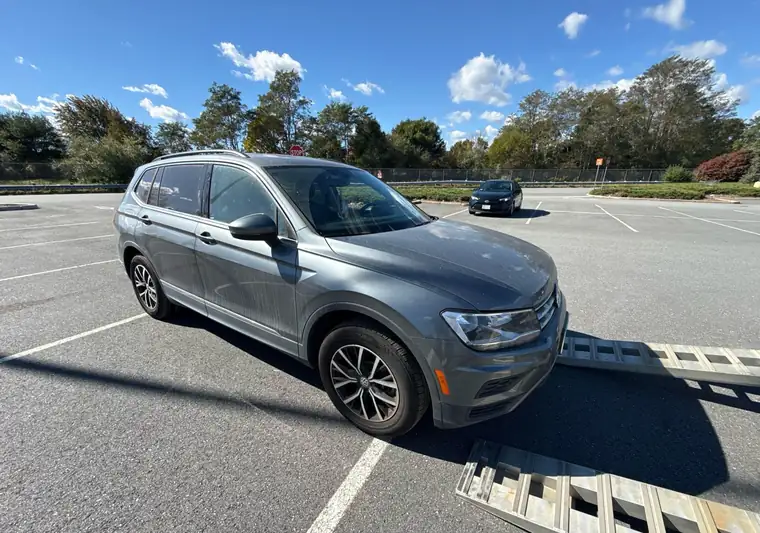
| 2021 Volkswagen Tiguan | Lakeside, CA → East Bridgewater, MA | 3,029 | Oct 4, 2026 | Oct 9, 2026 | 5 days |
| 2025 Mullen One EV (van) | Brea, CA → Lake Placid, FL | 2,581 | Sep 25, 2026 | Sep 30, 2026 | 5 days |
| 1965 Vespa with sidecar (motorcycle) | Sylmar, CA → New Preston, CT | 2,869 | Sep 29, 2026 | Oct 7, 2026 | 8 days |
| 2013 BMW 6 Series (from a Copart yard) | Sun Valley, CA → New York, NY | 2,813 | Sep 15, 2026 | Sep 25, 2026 | 10 days |
Delivered
Half of the eight arrived within three days
- Same day and 1 day: Corona to Henderson, NV (244 miles) and Corona to Tabiona, UT (724).
- 2 and 3 days: Rocklin to Austin (1,791 miles) took 2 and Riverside to Austin (1,330) took 3.
- 5 to 10 days: the coast-to-coast jobs of 2,500 to 3,000 miles: 5 for the Tiguan to Massachusetts and the Mullen van to Florida, 8 for the Vespa to Connecticut and 10 for the BMW from a Copart yard to New York.
Examples, not promises: your timing depends on the lane, the carrier and your dates.
See the photos below ↓

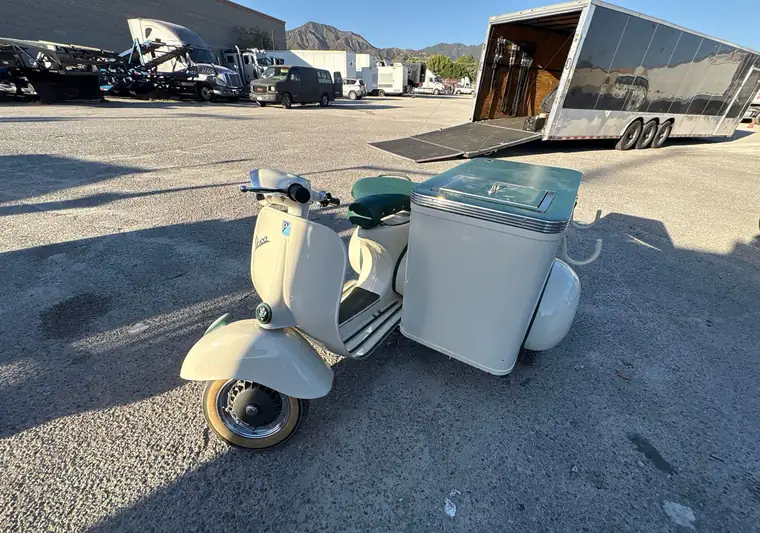
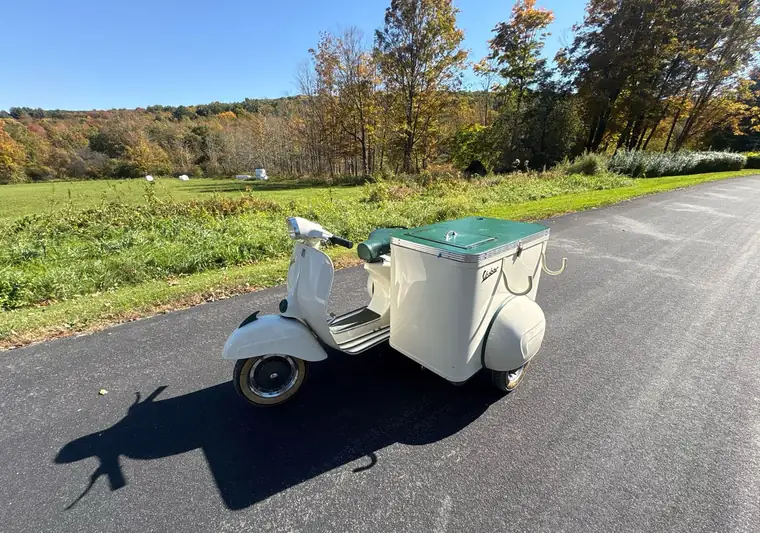
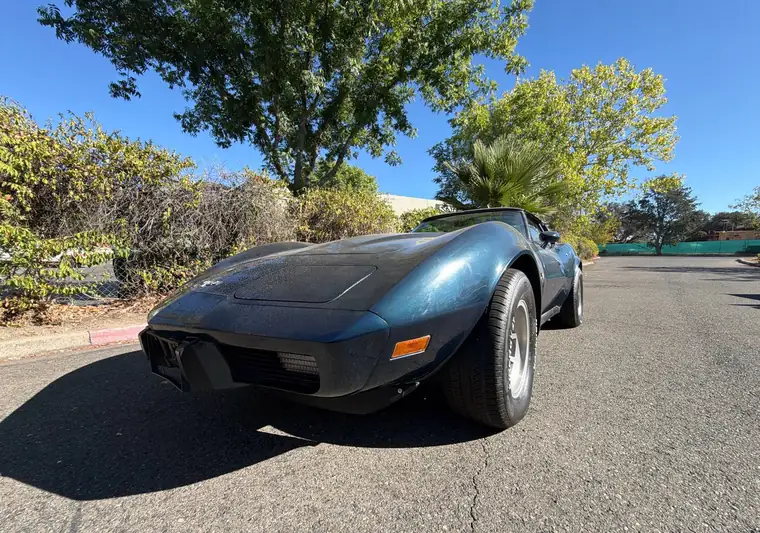
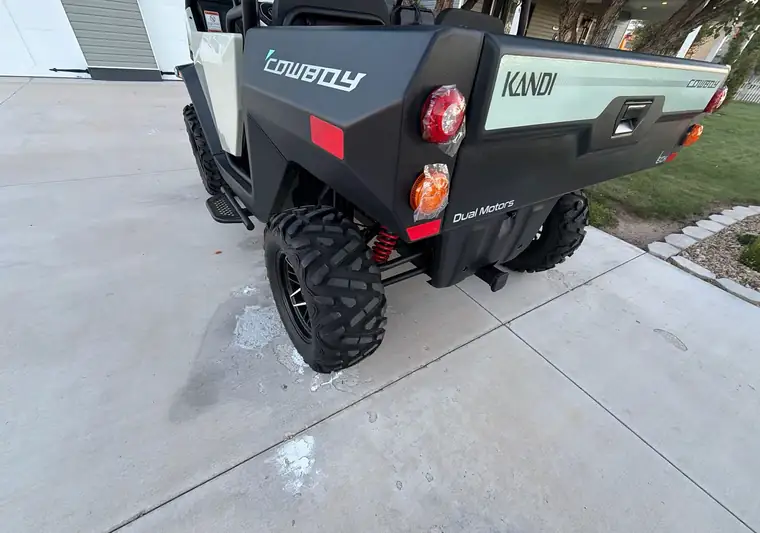
Photos are from the drivers’ inspections at pickup and delivery. License plates are blurred or out of frame.
Inoperable and enclosed vehicles: what they add
The quotes above are for running vehicles on open trailers, the most common and least expensive way to ship a car. Two options change the price, and on our platform they are priced as adjustments to the open quote:
- Inoperable (a car that does not run): adds about $100, because the driver needs a winch and extra time to load it.
- Enclosed transport: adds about 75% over the open price, because enclosed trailers carry fewer cars and fewer of them run on any given route.
Here is the 1,433-mile Los Angeles to Dallas lane with each option applied:
| Vehicle | Open, running | Open, inoperable | Enclosed, running |
|---|---|---|---|
| Sedan | $1,070 | $1,170 | $1,873 |
| SUV | $1,095 | $1,195 | $1,916 |
| Pickup | $1,657 | $1,757 | $2,900 |
| Van | $1,394 | $1,494 | $2,440 |
The inoperable and enclosed columns are calculated from the open quote, not separately quoted, so use them as a planning guide. Enclosed makes sense for luxury, classic and high-value cars, which is why collector cars heading to or from California events such as Monterey Car Week usually ship enclosed; for most daily drivers, open transport is the standard. A salvage or auction vehicle that does not run is the usual inoperable case.
Does direction change the price?
In California it did, and the pattern was consistent. We quoted nine corridors in both directions:
| Route | Sedan | SUV | Pickup | Van |
|---|---|---|---|---|
| Los Angeles → Phoenix | $430 | $400 | $637 | $714 |
| Phoenix → Los Angeles | $270 | $286 | $374 | $449 |
| Los Angeles → Dallas | $1,070 | $1,095 | $1,657 | $1,394 |
| Dallas → Los Angeles | $817 | $819 | $2,241 | $1,883 |
| Los Angeles → Nashville | $1,207 | $1,400 | $2,002 | $1,687 |
| Nashville → Los Angeles | $1,172 | $1,293 | $3,182 | $3,259 |
| Los Angeles → Atlanta | $1,310 | $1,479 | $3,083 | $3,066 |
| Atlanta → Los Angeles | $1,252 | $1,293 | $2,687 | $1,528 |
| Los Angeles → Detroit | $1,244 | $1,396 | $1,955 | $2,102 |
| Detroit → Los Angeles | $1,269 | $1,380 | $1,767 | $2,074 |
| San Diego → Jacksonville, NC | $1,529 | $1,642 | $2,605 | $3,377 |
| Jacksonville, NC → San Diego | $1,379 | $1,544 | $1,825 | $3,337 |
| Los Angeles → Miami | $1,481 | $1,520 | $2,378 | $3,177 |
| Miami → Los Angeles | $1,300 | $1,363 | $1,952 | $2,400 |
| Los Angeles → New York | $1,512 | $1,654 | $3,379 | $3,244 |
| New York → Los Angeles | $1,419 | $1,511 | $2,510 | $2,493 |
| San Francisco → Portland | $757 | $896 | $1,008 | $1,078 |
| Portland → San Francisco | $502 | $493 | $1,001 | $1,244 |
A sedan leaving California cost more than the same trip coming in on 8 of the 9 corridors. Los Angeles to Phoenix was 59% higher than Phoenix to Los Angeles ($430 vs. $270), San Francisco to Portland was 51% higher than Portland to San Francisco ($757 vs. $502), Los Angeles to Dallas was 31% higher ($1,070 vs. $817), Los Angeles to Miami was 14% higher ($1,481 vs. $1,300) and San Diego to Jacksonville, NC was 11% higher ($1,529 vs. $1,379). The gap was smaller to Atlanta (5%), New York (7%) and Nashville (3%), and Detroit was the exception, with the return trip 2% higher ($1,269 vs. $1,244). The price follows how many cars are moving each way, so if you can ship in either direction, or can drive one way and ship the other, check both.
Did you know?From 21 real California lanes, 4 vehicle types and 8 real jobs
-
3× the cost per mile
A 123-mile trip cost three times more per mile than coast to coast
Los Angeles to San Diego (123 miles) cost $200 for a sedan, or $1.63 a mile. Los Angeles to New York (2,794 miles) cost $1,512, or $0.54 a mile. The driver’s time to load, unload and reposition is spread over fewer miles on a short trip.
-
8 of 9 corridors
Leaving California cost more than arriving on 8 of 9 corridors
A sedan from Los Angeles to Phoenix was $430 against $270 coming back, a gap of 59%. San Francisco to Portland ran 51% above the return trip. Detroit was the only corridor where the trip into California cost more.
-
$253 more to leave for Texas
Los Angeles to Dallas cost $253 more than Dallas to Los Angeles
A sedan from Los Angeles to Dallas was $1,070 and from Dallas to Los Angeles $817, a gap of 31% on the same 1,433 miles. The Dallas to Los Angeles pickup was $2,241 at 64% confidence, so check your own vehicle.
-
$2,010 more for a pickup from Nashville
A pickup from Nashville cost $2,010 more than a sedan
Nashville to Los Angeles was $1,172 for a sedan and $3,182 for a pickup, about 2.7 times. Going the other way, Los Angeles to Nashville was $1,207 for a sedan and $2,002 for a pickup.
-
2 days for 1,791 miles
A 1979 Corvette went from California to Texas in two days
A 1979 Chevrolet Corvette was picked up in Rocklin, CA on August 29 and delivered in Austin, TX on August 31, about 1,791 miles. A 2025 Kandi Cowboy went 724 miles from Corona, CA to Tabiona, UT in one day.

Military moves, collector cars and when to ship
A few patterns recur in California car shipping. These are general industry experience and California’s own events, not our October quote data, so compare a live quote for your date:
- Military moves. Permanent change of station moves to and from Camp Pendleton, Naval Base San Diego, Travis Air Force Base and the state’s other bases follow the military’s own summer peak, so summer pickups around San Diego County are busier.
- Students. August move-in and May move-out are busy at the University of California and California State University campuses, Stanford and USC.
- Collector cars. Monterey Car Week runs through the Pebble Beach Concours d’Elegance each August (the Concours is scheduled for August 15, 2027, according to its published schedule). Collector and high-value cars to and from the Monterey Peninsula are usually shipped enclosed, so book early if you have a car in that window.
- Mountain passes. Winter snow can close I-5 over the Grapevine and I-80 over Donner Summit. Caltrans says full I-5 closures from snow and ice happen an average of three to five times between October and April, usually for four to six hours, although some run longer than a day.
A flexible pickup window of a few days usually gets a faster carrier match, and booking a few days ahead matters more around the summer military moves and the August student moves.
Distance, transit time and the main corridors
California’s long, narrow shape means most routes follow a handful of highways:
- I-5 is the north-south spine, from the Mexican border through San Diego, Los Angeles and the Central Valley to Oregon. Los Angeles to San Diego is about 123 miles and San Francisco to Portland about 636.
- CA-99 and US-101 serve the Central Valley and the coast. Fresno to Los Angeles is about 219 miles.
- I-10 runs east from Los Angeles to Phoenix (about 376 miles) and on toward Texas and Florida, and I-40 and I-15 carry traffic from Barstow toward the Midwest and Las Vegas.
- I-80 links the Bay Area and Sacramento with Reno and the East.
Typical open-trailer transit is about 1 to 3 days for trips under 500 miles, 3 to 5 days for 600 to 1,500 miles and 7 to 10 days coast to coast. Those are industry-typical ranges rather than guarantees, and the clock starts when a driver picks the car up, not when you book. Our recent California jobs (see the real jobs section) took from the same day for 244 miles to 2 days for 1,791 miles, 5 days for about 3,000 miles to Massachusetts and 10 days for a car picked up from a Copart yard and delivered to New York. A flexible pickup window of a few days usually gets a faster carrier match.
Moving to California: registration, smog and insurance
If you are moving to California, the car arrives before the paperwork starts. These are the rules the California Department of Motor Vehicles (DMV) publishes for vehicles brought in from another state:
- Register within 20 days. The DMV’s Driver Handbook says you have 20 days to register your vehicle after you become a resident or get a job in California.
- Bring your out-of-state title and registration. DMV’s out-of-state checklist lists an application for title or registration (form REG 343), the last out-of-state title and the last out-of-state registration card or renewal notice, plus the registration, transfer and use tax fees.
- Have the vehicle verified. Registering a vehicle last registered out of state needs a Verification of Vehicle (REG 31), completed by a DMV employee, a law enforcement officer or a California-licensed vehicle verifier. DMV recommends booking an appointment, and the car must be with you, so plan the visit for the week it arrives.
- Make sure the car meets California emission rules. All vehicles registered in California must meet California requirements, including emission controls, and DMV cannot register one that does not qualify. DMV lists a smog certification from a California smog station for gasoline vehicles of 1976 and newer model years when you register from out of state, and its smog page lists exceptions such as electric vehicles.
- Check the 7,500-mile rule before you buy. If you are buying a nearly new car in another state to ship to California, DMV says California law bars bringing in or registering a vehicle under two years old with fewer than 7,500 miles unless it was built to California standards or an exemption applies.
- Carry California liability insurance. DMV lists the minimums as $30,000 for injury or death to one person, $60,000 for more than one person and $15,000 for property damage (Insurance Code § 11580.1b). Collision or comprehensive coverage does not satisfy the requirement.
Rules and fees change, so confirm with the state before you go:
California DMV: vehicle registration requirements → DMV smog inspections → DMV auto insurance requirements → DMV new registration →
Military moves, students and the tech industry
Several things make California the busiest car-shipping state we cover:
- Military bases. Marine Corps Base Camp Pendleton, Marine Corps Air Station Miramar, Naval Base San Diego, Travis Air Force Base, Edwards Air Force Base, the Army’s National Training Center at Fort Irwin, Twentynine Palms and Vandenberg all generate moves. Ask your carrier how gate access will work, and consider meeting the driver outside the gate.
- Universities. The University of California system, the California State University system, Stanford and USC draw students from across the country.
- Tech and relocations. Silicon Valley, Los Angeles and San Diego bring a steady flow of job relocations, and people moving in from other states often ship a second car instead of driving two.
- Car culture. California has a large collector and enthusiast market, with classic, exotic and electric cars moving to and from dealers, shows and auctions throughout the year.
Dealerships and auctions in California
Dealers and auction yards are some of the most common pickup and delivery points for car carriers, and they are commercial addresses where a full-size trailer can usually reach. There is no single official ranking of California’s dealerships, so these are examples drawn from the companies’ own sites and published directories rather than a top-ten list.
Auction yards
- Southern California — Manheim Riverside and Manheim Southern California in Fontana, plus Copart and IAA yards across the Inland Empire, Los Angeles and San Diego areas.
- Bay Area — Manheim San Francisco Bay in Hayward, plus Copart and IAA yards around the Bay Area.
- Central Valley and Sacramento — Copart and IAA yards serve Fresno and Sacramento.
Wholesale auctions such as Manheim mostly sell running dealer inventory, while Copart and IAA sell salvage and damaged vehicles that often do not run, so price those as inoperable. Each yard has its own release and gate-pass rules, so confirm them before the driver arrives. Auction schedules and locations change, so check each company’s location finder. Dealers shipping cars to out-of-state buyers, and buyers having a car delivered to their California home, are both common, and the same open, enclosed and inoperable pricing above applies.
How to choose a car shipping company in California
Searches for the best car shipping companies and auto transport brokers in California find long lists of names, but there is no official ranking, and the right company is the one that is licensed, insured and clear about price. Check these before you book with anyone:
- Look up the company’s federal registration. Every interstate auto transporter or broker needs a USDOT number and operating authority. You can check them on the FMCSA company snapshot and the FMCSA licensing and insurance search.
- Know whether you are dealing with a broker or a carrier. A carrier owns the trucks. A broker or marketplace like Transportli matches your car with a vetted carrier on your lane and shows you the price up front.
- Ask what the quote includes. Our quotes are for one vehicle on an open trailer, and inoperable and enclosed are priced as adjustments, as shown above. Be wary of a price far below the others, because it may not find a driver.
- Understand the pickup window. Carriers give a window, not an exact time, and a flexible window of a few days usually gets a faster match.
- Inspect and document at both ends. The bill of lading is your condition report. Take dated photos, note any damage before you sign, and keep your copy.
Mountain snow, wildfires and transit reliability
California’s geography causes most delays. Winter storms can close mountain passes such as the Grapevine on I-5, and Caltrans does not forecast reopening times for those closures. Wildfires can close highways and fill valleys with smoke, most often in late summer and fall, and carriers may hold cars until roads reopen. If you ship across the Sierra or the Grapevine between November and March, or during a major fire, leave extra time and keep your pickup window flexible. Check Caltrans QuickMap for current closures.
Weather matters for the car as well. Ash, hail and storm debris are a risk for a car sitting outside, so keep it in a garage or covered spot until the driver arrives, and ask about enclosed transport for a high-value car.
Preparing your car for pickup
Wash the car so existing damage is easy to see, take dated photos from every side, remove personal items and toll tags, leave about a quarter tank of fuel and note anything that does not work. Our auto transport guide has the full checklist, including what to inspect at delivery before you sign.
Get a California auto transport quote
Compare live auto transport rates from vetted carriers for your exact route.
Get an auto quote →California auto transport: frequently asked questions
How much does it cost to ship a car to or from California?
In our real quotes for twenty-one California lanes, an open-trailer sedan cost from $200 on a 123-mile lane to $1,529 on a 2,608-mile lane, with price per mile falling from $0.72 to $1.63 under 400 miles to about $0.60 at 2,000 miles or more. SUVs, pickups and vans cost more on most lanes. Get an instant quote for your exact route.
How much does it cost to ship a car from California to North Carolina?
In our quotes, a sedan from San Diego to Jacksonville, NC (2,608 miles) was $1,529 on an open trailer, and from Jacksonville, NC to San Diego it was $1,379. A pickup was $2,605 going east and $1,825 coming back. Typical transit is about 7 to 10 days.
How much does it cost to ship a car from California to Texas, Florida or New York?
A sedan from Los Angeles to Dallas was $1,070, to Miami $1,481 and to New York $1,512 in our quotes. The longest lanes cost the most in total but the least per mile.
How much extra does it cost to ship an inoperable car?
On our platform an inoperable vehicle adds about $100 to the open-trailer price, because the driver needs a winch and extra loading time.
How much more is enclosed car shipping?
Enclosed transport adds about 75% over the open-trailer price on our platform. For example, a sedan quoted at $1,070 open from Los Angeles to Dallas works out to about $1,873 enclosed. Collector and high-value cars are usually shipped enclosed.
How long does it take to ship a car to or from California?
Typical open-trailer transit is about 1 to 3 days for trips under 500 miles, 3 to 5 days for 600 to 1,500 miles and 7 to 10 days coast to coast. These are typical ranges, not guarantees, and the clock starts at pickup.
How long did recent California car shipments take?
In eight recent jobs that started in California, a 2026 EPIC E40FX went 244 miles from Corona to Henderson, Nevada the same day, a 2025 Kandi Cowboy went 724 miles from Corona to Tabiona, Utah in 1 day and a 1979 Corvette went 1,791 miles from Rocklin to Austin, Texas in 2 days. A 2018 Tesla Model 3 went 1,330 miles from Riverside to Austin in 3 days. The longest trips took 5 days for a Volkswagen Tiguan to Massachusetts and a Mullen One EV van to Florida, 8 days for a 1965 Vespa with sidecar to Connecticut and 10 days for a BMW 6 Series picked up from a Copart yard and delivered to New York.
Does the direction of the trip change the price?
Yes. In our quotes a sedan leaving California cost more than the same trip coming in on 8 of 9 corridors: Los Angeles to Phoenix ran 59% above Phoenix to Los Angeles, San Francisco to Portland 51% above Portland to San Francisco and Los Angeles to Dallas 31% above Dallas to Los Angeles. Detroit was the exception. If you can ship in either direction, compare both.
Do I have to register my car in California after it is shipped?
If you are a new resident, yes. The DMV says you have 20 days to register a vehicle after you become a resident or get a job in California. You need an application, your out-of-state title and registration, a vehicle verification completed by a DMV employee, a law enforcement officer or a California-licensed vehicle verifier, and, for most gasoline vehicles of 1976 and newer, a smog certification.
Does my car need a smog check in California?
California requires vehicles to meet its emission rules, and DMV lists a smog certification from a California smog station for gasoline vehicles of 1976 and newer model years when you register from out of state. DMV’s smog page lists exceptions, including electric vehicles and, at renewal, gasoline vehicles less than eight model years old. Check the DMV page for your vehicle.
What insurance does California require?
California requires liability insurance of at least $30,000 for injury or death to one person, $60,000 for more than one person and $15,000 for property damage. Collision or comprehensive coverage does not meet the requirement.
Can I ship a car to or from a California auction?
Yes. Carriers pick up and deliver at auction yards such as Manheim Riverside, Manheim Southern California in Fontana and Manheim San Francisco Bay in Hayward, and at Copart and IAA yards, though each yard has its own release and gate-pass rules. Salvage vehicles that do not run should be priced as inoperable.